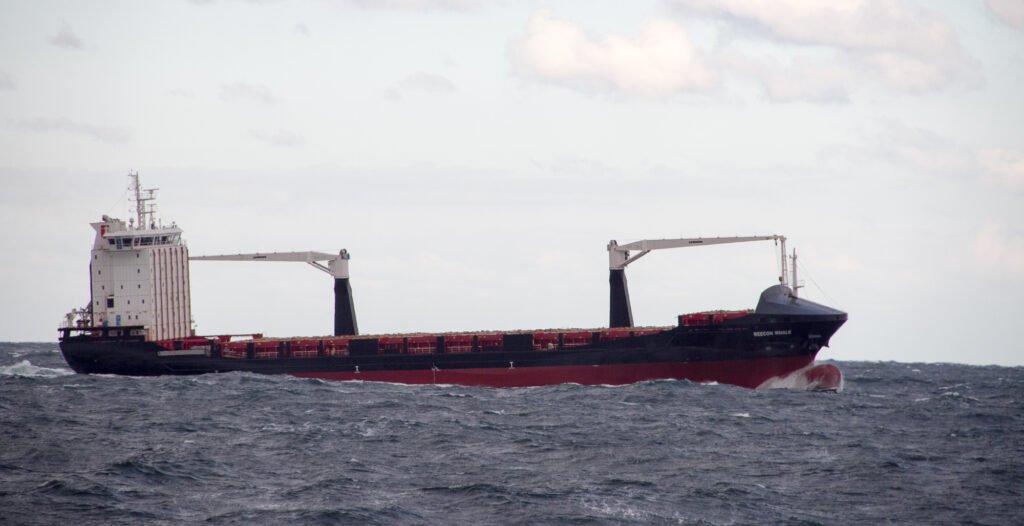
The International Maritime Organization (IMO) is the United Nations specialized agency responsible for the safety and security of shipping and for preventing marine and atmospheric pollution by ships. Headquartered in London, it has 176 Member States and three Associate Members. History and founding of the IMO The best way to improve safety at sea, the
International Maritime Organization Read More »
The United Nations specialized agency, based in London, that sets global standards for the safety, security and environmental performance of international shipping.
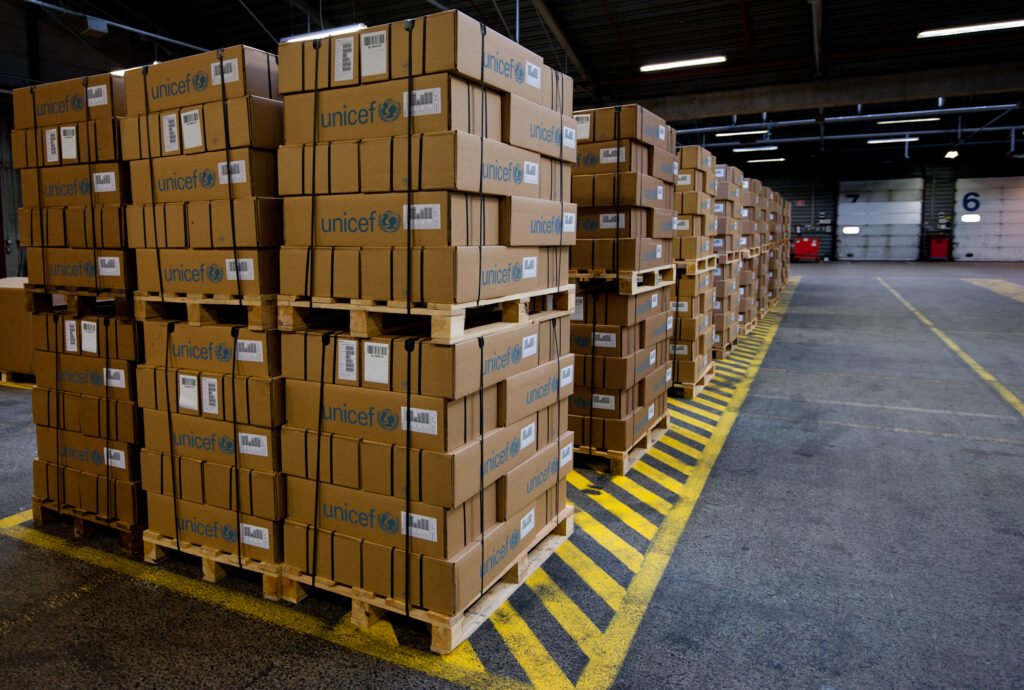
Purpose of Inventory Management Inventory management tracks and controls the goods a business holds at every stage, from raw materials to finished products ready for sale. Its central challenge is balance: too little inventory risks stockouts and lost sales, while too much ties up cash and increases storage, insurance, and obsolescence costs. Key Methods and
Inventory Management Read More »
Inventory management is the process of ordering, storing, tracking, and controlling a company's stock of raw materials, components, and finished goods.
Origins of Just-in-Time Just-in-time inventory emerged from the Toyota Production System, developed in Japan in the decades following World War II. The approach sought to eliminate waste by producing only what was needed, when it was needed, in the quantity needed, rather than building up large stockpiles of parts and finished goods. How JIT Works
Just-in-Time Inventory Read More »
Just-in-time inventory is a strategy that aligns raw material orders and production schedules closely with actual demand, reducing the amount of inventory held in stock.
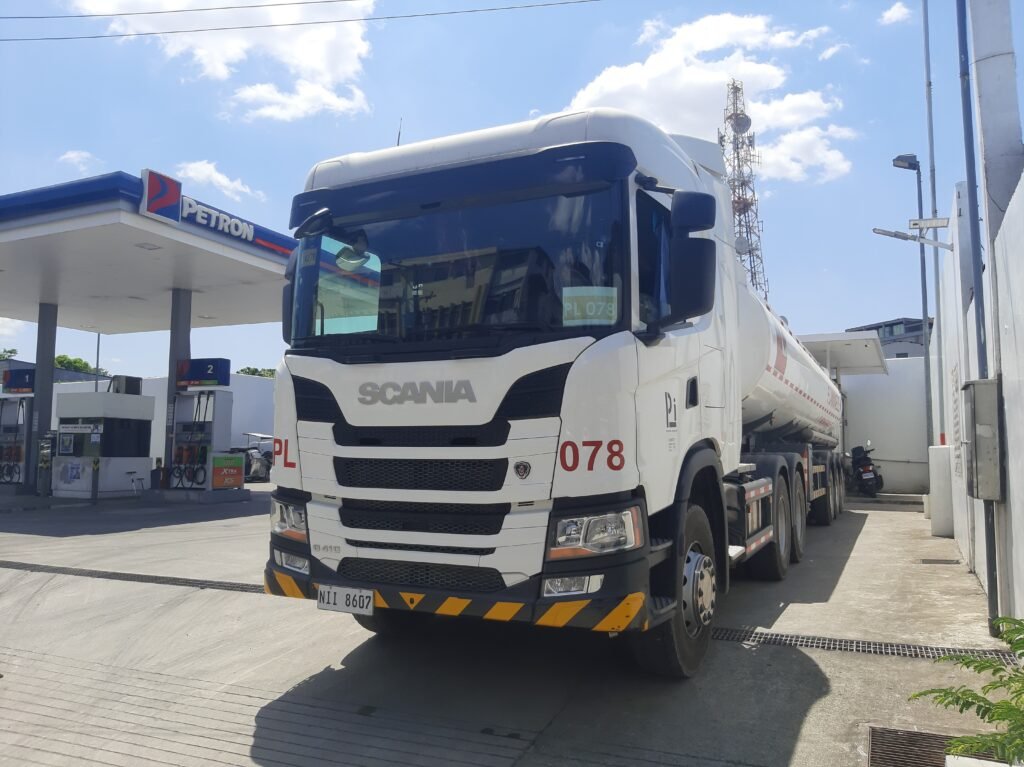
What LTL Shipping Is Less-than-truckload shipping combines freight from multiple shippers into a single trailer, since no individual shipment is large enough to fill the truck on its own. Each shipper pays only for the portion of the trailer their goods occupy, rather than the cost of an entire truck, making LTL more economical for
Less-Than-Truckload Shipping Read More »
Less-than-truckload shipping, commonly abbreviated LTL, is a freight transportation method in which multiple shippers' goods share space in the same trailer because no single shipment fills the entire truck.
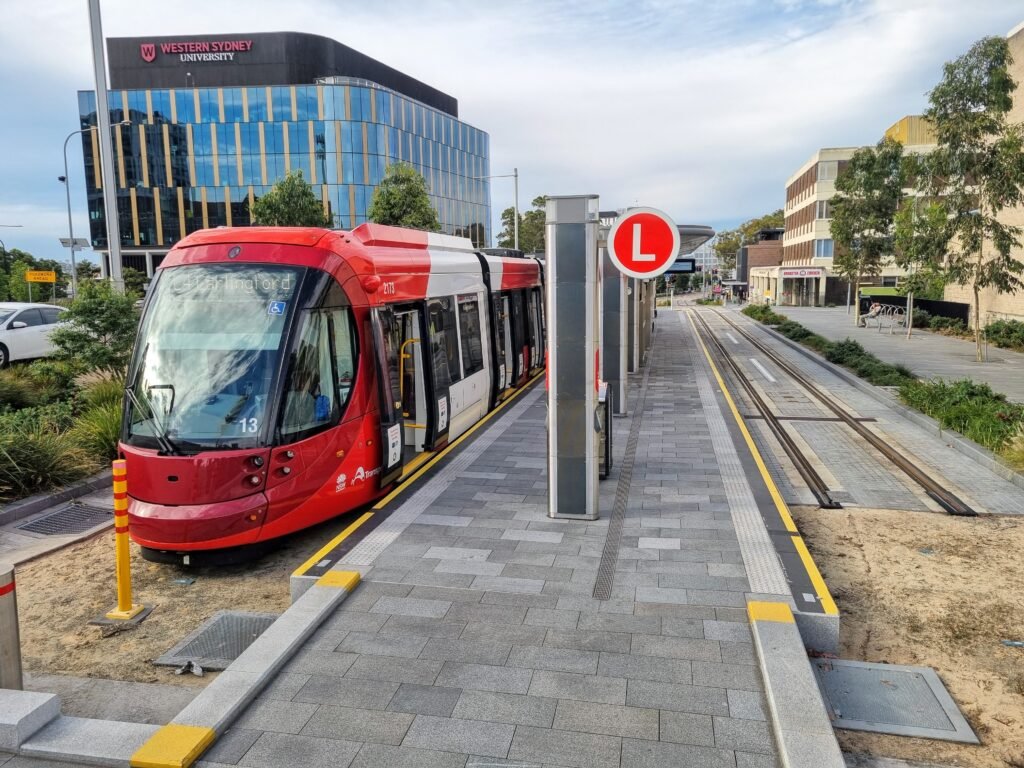
Positioning Between Bus and Subway Light rail transit occupies a middle position in the hierarchy of urban transit modes, offering higher capacity and generally smoother, faster service than buses while typically costing less to build than a fully grade-separated heavy rail subway. Light rail vehicles are usually narrower and lighter than subway cars, allowing them
Light Rail Transit Read More »
Light rail transit is an electric rail system that typically runs in a mix of dedicated and street-level rights-of-way, carrying more passengers than a bus but less than a full subway.
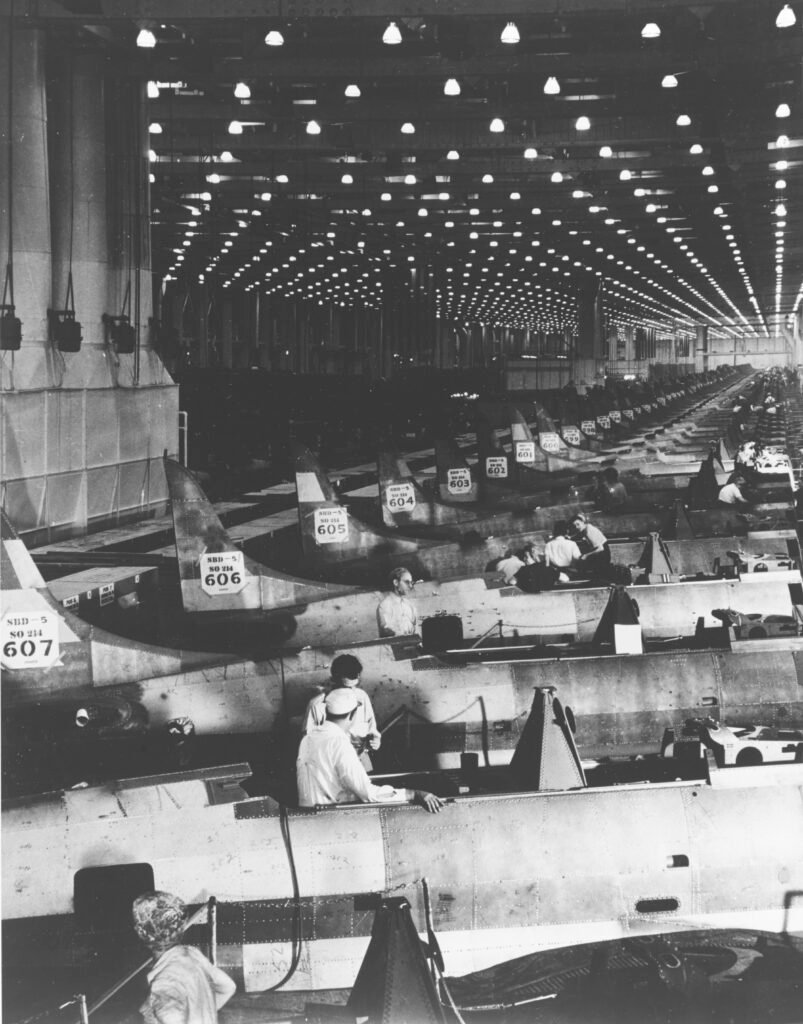
What Logistics Management Covers Logistics management coordinates the physical flow of goods from suppliers through production to the end customer. It covers transportation planning, warehousing, inventory positioning, packaging, and order fulfillment. A logistics manager decides how goods move, where they are stored, and how quickly they reach their destination. Core Activities The discipline includes inbound
Logistics Management Read More »
Logistics management is the planning, execution, and control of the movement and storage of goods, services, and related information from point of origin to point of consumption.
What Defines a Low-Cost Carrier A low-cost carrier, often abbreviated LCC, is an airline business model built around offering lower base fares than traditional full-service network airlines by reducing operating costs and unbundling services that were traditionally included in the ticket price. Passengers typically pay separately for checked baggage, seat selection, and onboard food and
Low-Cost Carrier Read More »
A low-cost carrier is an airline that offers generally lower fares than traditional network airlines by operating with a simplified fleet, point-to-point routing, and unbundled pricing for optional services.
A.P. Moller – Maersk, usually called Maersk, is a Danish transport and logistics company that began as a shipping business in 1904 and now operates container shipping, port terminals and supply chain services. It reported 2025 revenue of US$54.0 billion, EBITDA of US$9.5 billion and EBIT of US$3.5 billion. A Danish family foundation structure holds
Maersk Read More »
Maersk is a Danish shipping and logistics company founded in 1904 that runs container shipping and ports, with 2025 revenue of $54.0 billion.
A magnetic levitation train, or maglev, is a train that floats above a guideway on magnetic forces and is also pushed forward by them, so it runs with no contact between vehicle and track. Because there are no wheels rolling on rails, there is no rolling friction, and the train can reach high speeds with
Magnetic levitation train Read More »
A train that floats above a guideway on magnetic forces and is propelled by them, so it moves without wheel-to-rail contact.
What Maritime Shipping Covers Maritime shipping is the movement of goods and passengers across oceans, seas, and other navigable waterways. It carries the overwhelming majority of world trade by volume, since ships can transport far larger quantities of cargo at a much lower cost per unit than trucks, trains, or aircraft, making sea transport the
Maritime Shipping Read More »
Maritime shipping is the transportation of goods and passengers by sea, carrying the large majority of the world's international trade by volume.