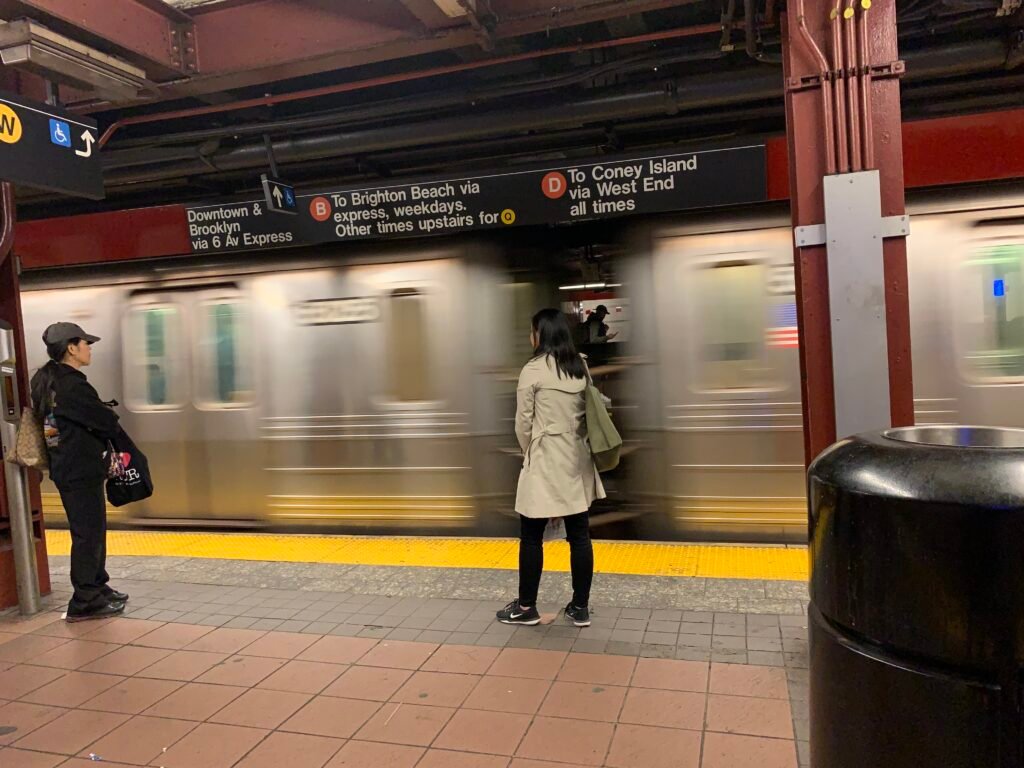
Grade Separation as the Defining Feature What most clearly distinguishes a metro system from light rail or buses is complete grade separation from other traffic, achieved through tunnels, elevated viaducts, or dedicated surface rights-of-way with no at-grade crossings, which allows metro trains to run at consistent high speed and frequency regardless of surface road congestion.
Metro System Read More »
A metro system is a high-capacity urban rail transit network, typically grade-separated from street traffic, that moves large passenger volumes quickly through dense city areas.
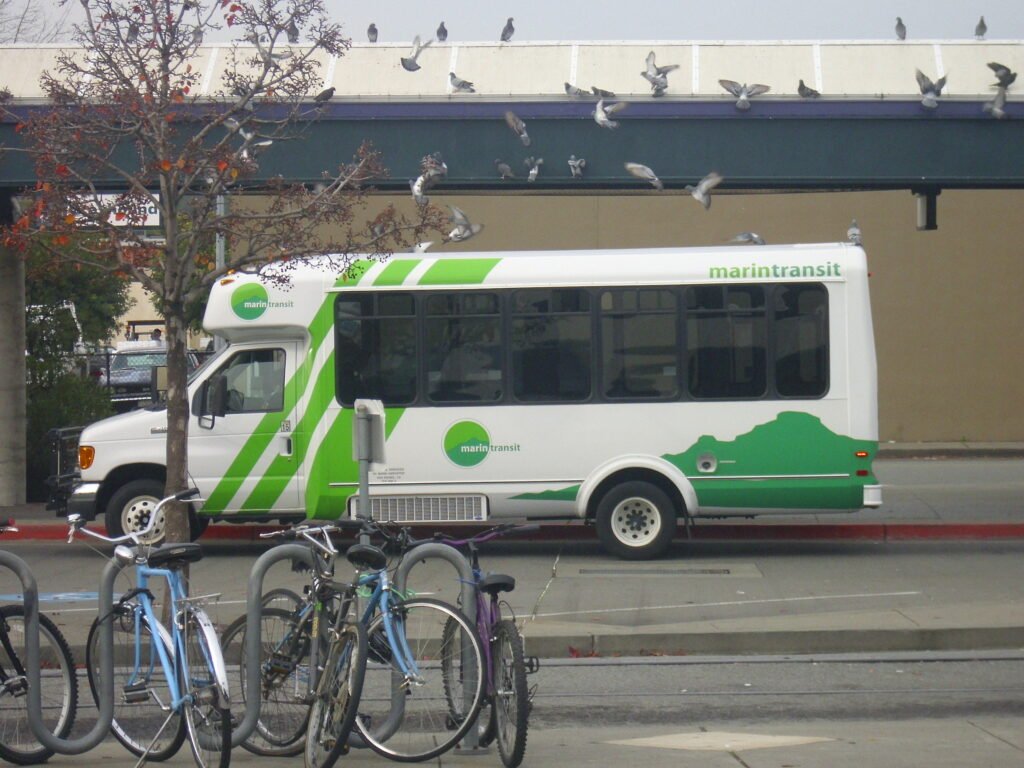
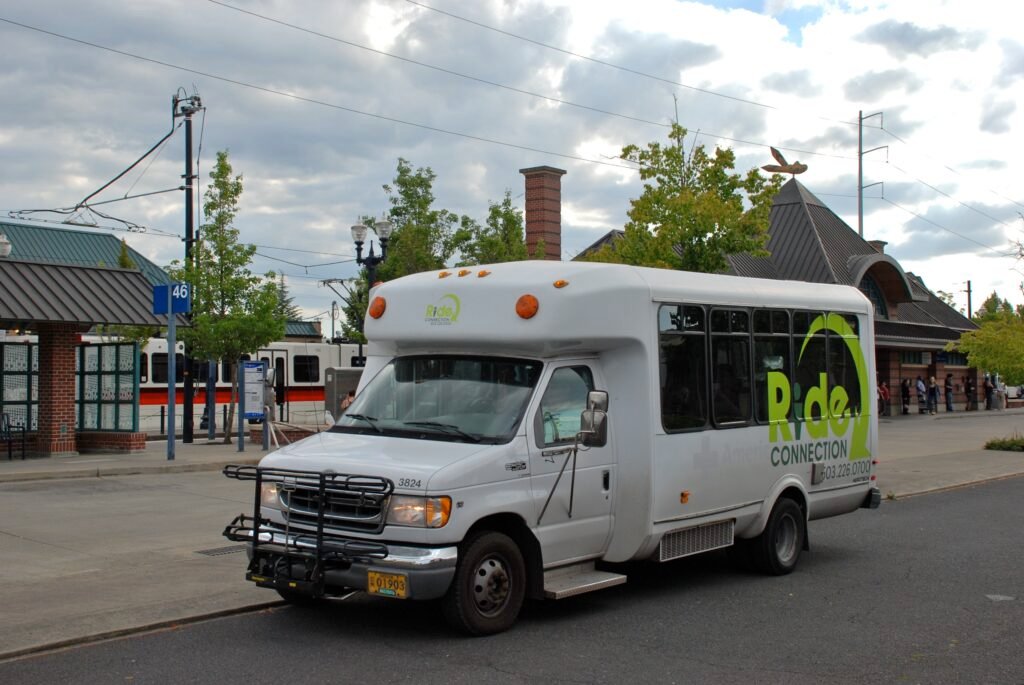
Filling the Gap Left by Fixed Routes Microtransit emerged as transit agencies sought a middle option between traditional fixed-route buses, which run efficiently only where ridership is dense and predictable enough to fill a bus along a consistent path, and costly individualized paratransit or taxi service, for lower-density areas where a fixed route would run
Microtransit Read More »
Microtransit is a flexible, technology-enabled transit service using smaller vehicles and dynamic routing to serve trips that fixed bus routes cover poorly.
The Transfer Problem in Transit Networks Because few trips begin and end at the same transit line, most transit journeys of any complexity require at least one transfer between modes or routes, and the time, physical distance, and uncertainty involved in making that transfer can add significantly to total trip time, sometimes outweighing the speed
Multimodal Transportation Hub Read More »
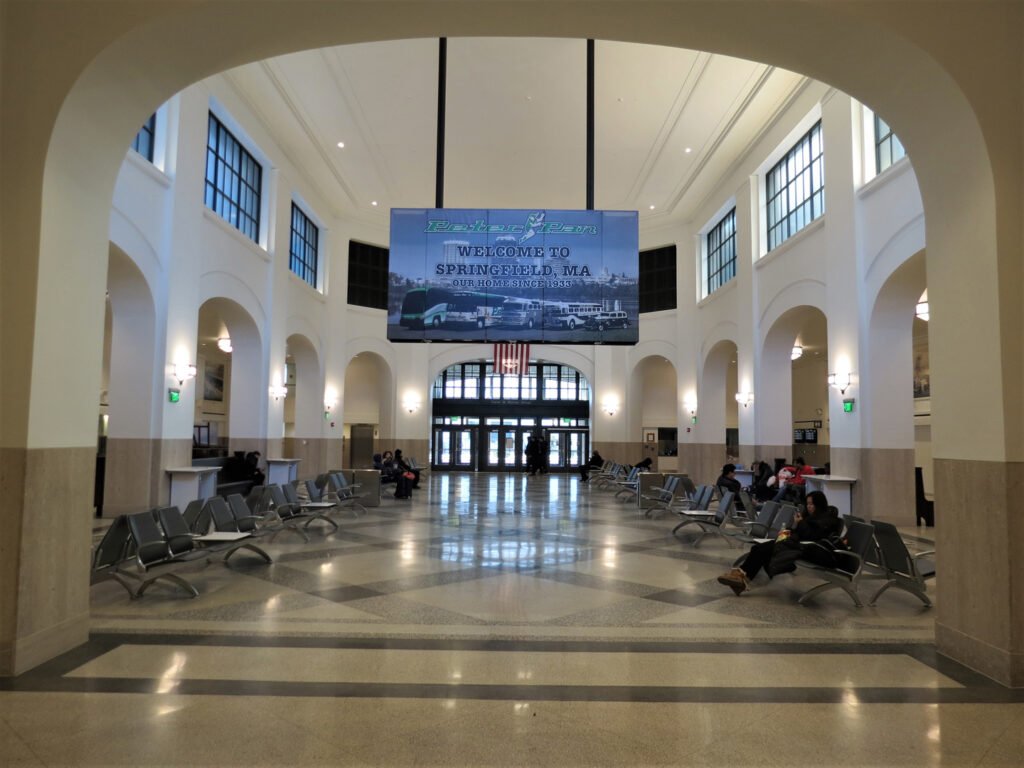
A multimodal transportation hub is a facility where multiple transportation modes, such as rail, bus, bike, and pedestrian routes, connect to allow convenient transfers between them.
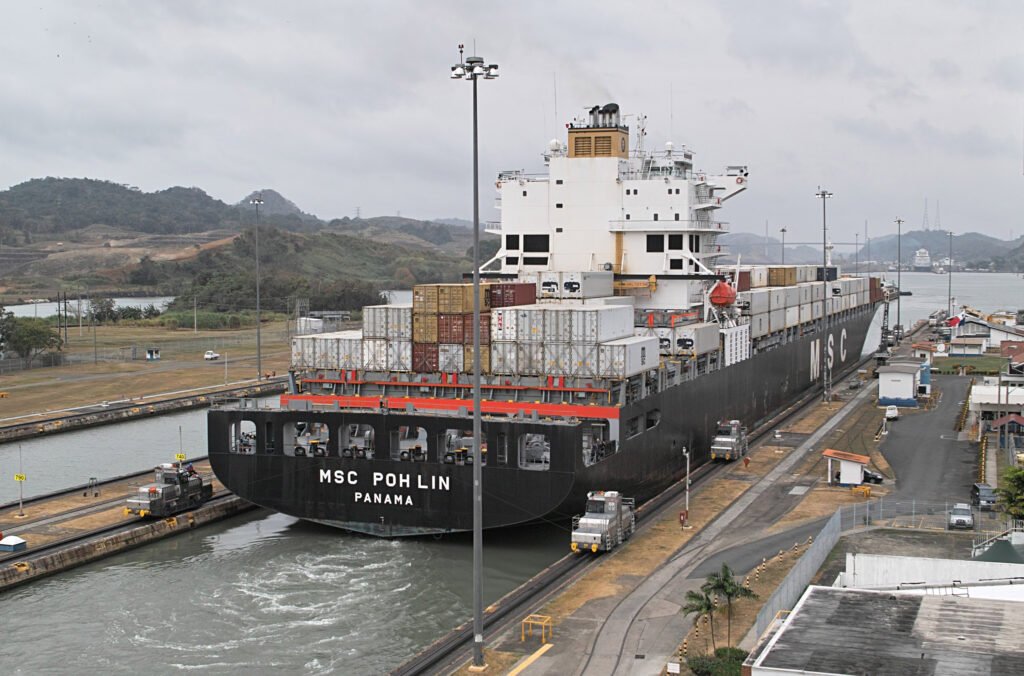
What Panamax Means Panamax describes the maximum vessel length, width, and draft that can pass through the original locks of the Panama Canal. For decades, this size standard significantly influenced ship design, since shipping lines often built vessels as close as possible to the maximum Panamax dimensions to maximize cargo capacity while retaining the ability
Panamax Read More »
Panamax refers to the maximum vessel dimensions that can transit the Panama Canal's locks, a size standard that has long influenced ship design and global shipping routes.
A parachute is a fabric canopy that slows the fall of a person or object by catching air. It is used for emergency escape from aircraft, military airborne operations, sport jumping and the delivery of cargo. Designs were sketched in the 1400s, and the first documented successful public descent took place in 1783. History of
Parachute Read More »
A parachute is a fabric canopy that slows a fall by catching air, first demonstrated publicly by Lenormand in 1783.
Legal Mandate and Origins Paratransit service exists in its modern form largely because of disability rights legislation, most notably the Americans with Disabilities Act in the United States, which requires transit agencies operating fixed-route bus or rail service to also provide comparable paratransit service for riders whose disabilities prevent them from using the fixed-route system.
Paratransit Read More »
Paratransit is specialized, often door-to-door transportation service for people with disabilities or others who cannot use conventional fixed-route transit.
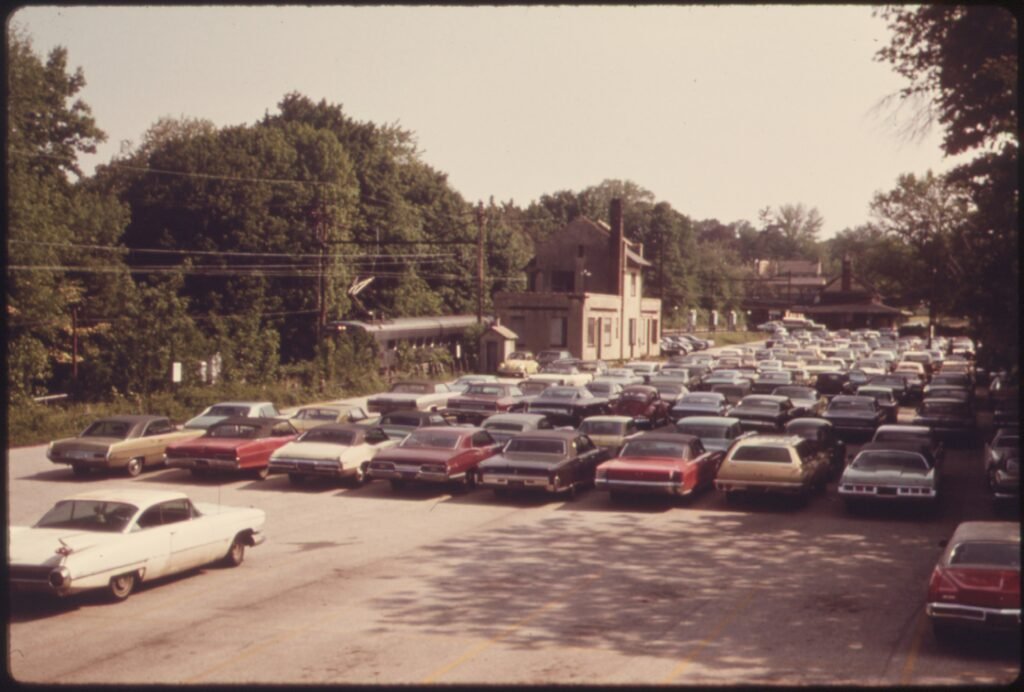
Extending the Reach of Transit Networks Park-and-ride facilities allow transit systems to effectively extend their catchment area far beyond walking distance from a station, since a commuter living too far from any transit stop to walk or bike can still drive a short distance to a park-and-ride lot and complete the remainder of their trip
Park-and-Ride Facilities Read More »
Park-and-ride facilities are parking lots or structures located at transit stations that let commuters drive partway to their destination before switching to transit.
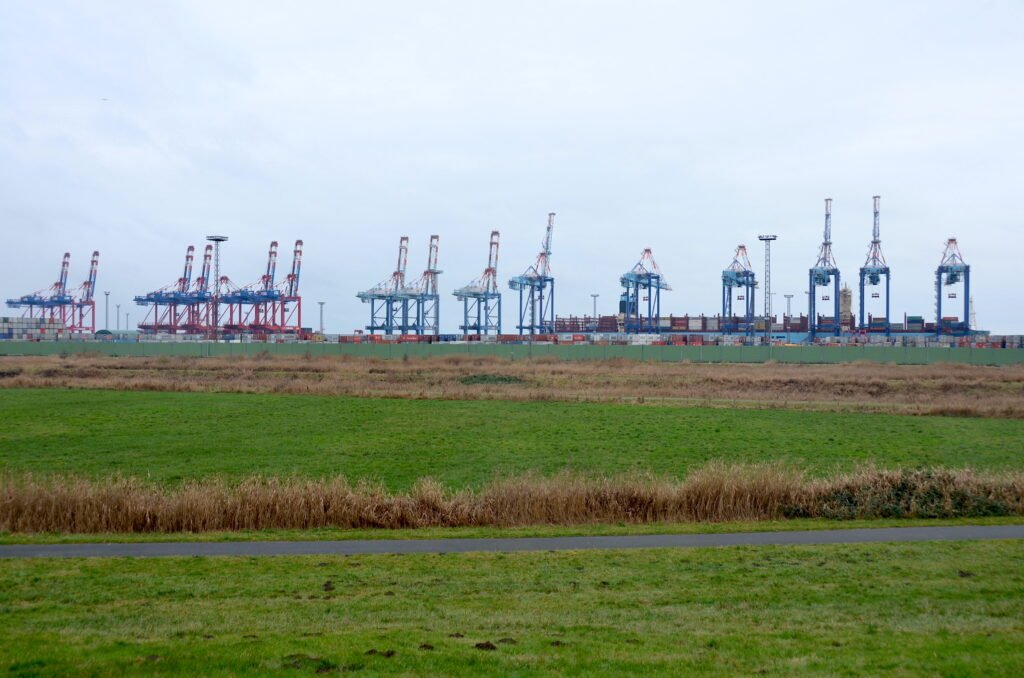
What Port Operations Covers Port operations encompasses everything required to move cargo and passengers between ships and land-based transportation at a seaport, including vessel berthing, cargo loading and unloading, warehousing, customs clearance, and coordination with trucking and rail connections. A well-run port minimizes the time a ship spends at berth, since idle vessel time is
Port Operations Read More »
Port operations is the set of activities required to load, unload, store, and transfer cargo and passengers between ships and land-based transportation at a seaport.
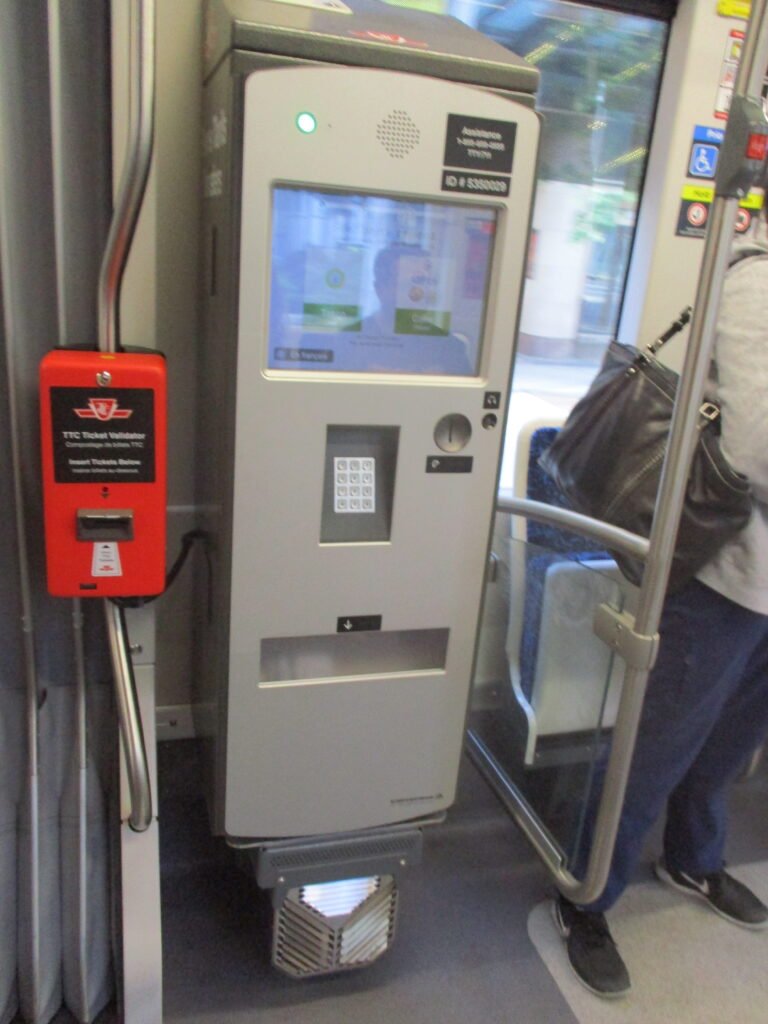
Fare Structure Choices Transit agencies choose among several basic fare structure models, including flat fares that charge the same amount regardless of trip length, distance-based or zone-based fares that charge more for longer trips, and time-based passes that let riders travel unlimited within a defined period for a fixed price. Each model carries trade-offs: flat
Public Transit Fare System Read More »
A public transit fare system is the structure and technology a transit agency uses to charge, collect, and account for rider payments across its network.
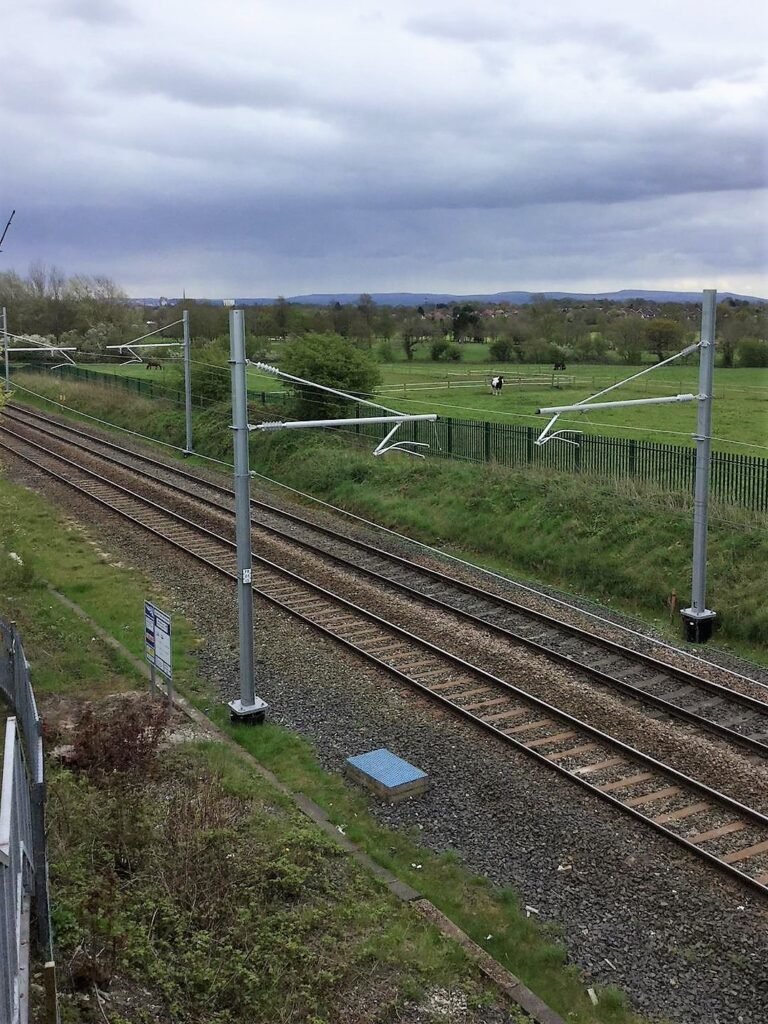
What Rail Electrification Means Rail electrification converts a railway from diesel or other onboard fuel power to electric power delivered externally through overhead catenary wires or a ground-level third rail. Electric trains draw power continuously from this infrastructure rather than carrying their own fuel supply, fundamentally changing how the train itself is designed and powered.
Rail Electrification Read More »
Rail electrification is the conversion of a railway to run trains powered by electricity delivered through overhead wires or a third rail, rather than by diesel or other onboard fuel.