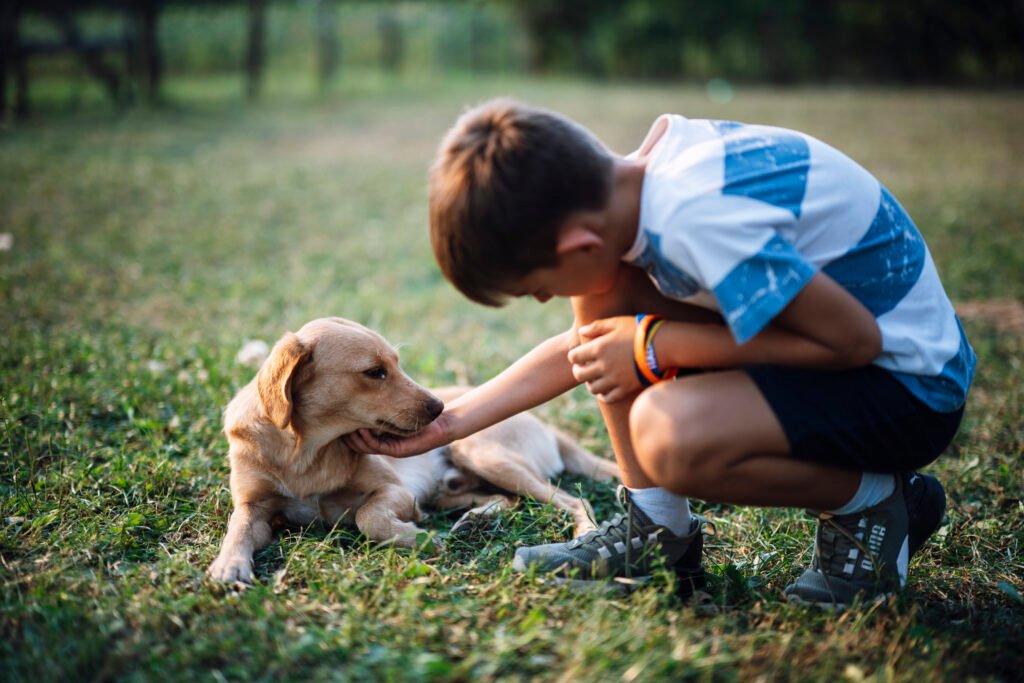
Defining the Human-Animal Bond The human-animal bond describes the dynamic, mutually beneficial relationship between people and animals, encompassing emotional attachment, companionship, and the ways each influences the other’s behavior and wellbeing. While the concept applies broadly across species relationships, it is most extensively studied and formally recognized within companion animal veterinary medicine, where professional bodies
Human-Animal Bond Read More »
The mutually beneficial emotional and psychological relationship between people and companion animals, recognized as a factor in physical and mental health.
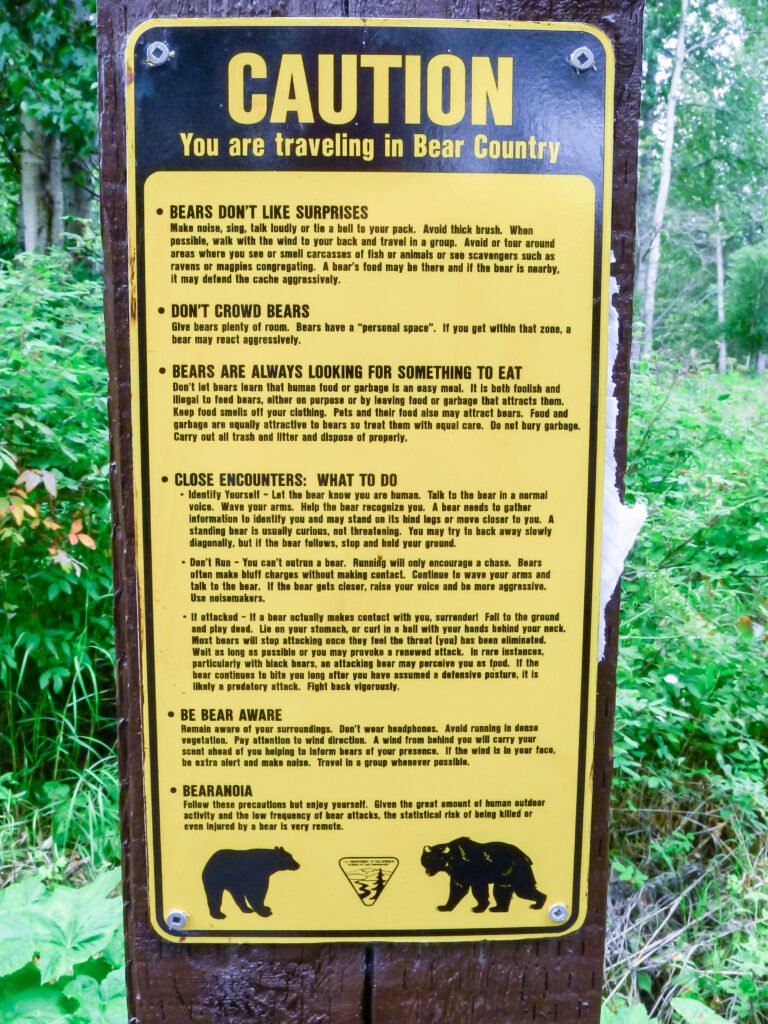
Nature and Scope of Human-Wildlife Conflict Human-wildlife conflict encompasses a range of negative interactions, including crop damage, livestock predation, property destruction, and direct physical danger to people, arising when wildlife and human activities overlap spatially or compete for the same resources. Conflict intensity tends to increase as human development and agricultural expansion push further into
Human-Wildlife Conflict Management Read More »
The study and practical mitigation of negative interactions between humans and wild animals, balancing human safety and livelihoods with wildlife conservation goals.
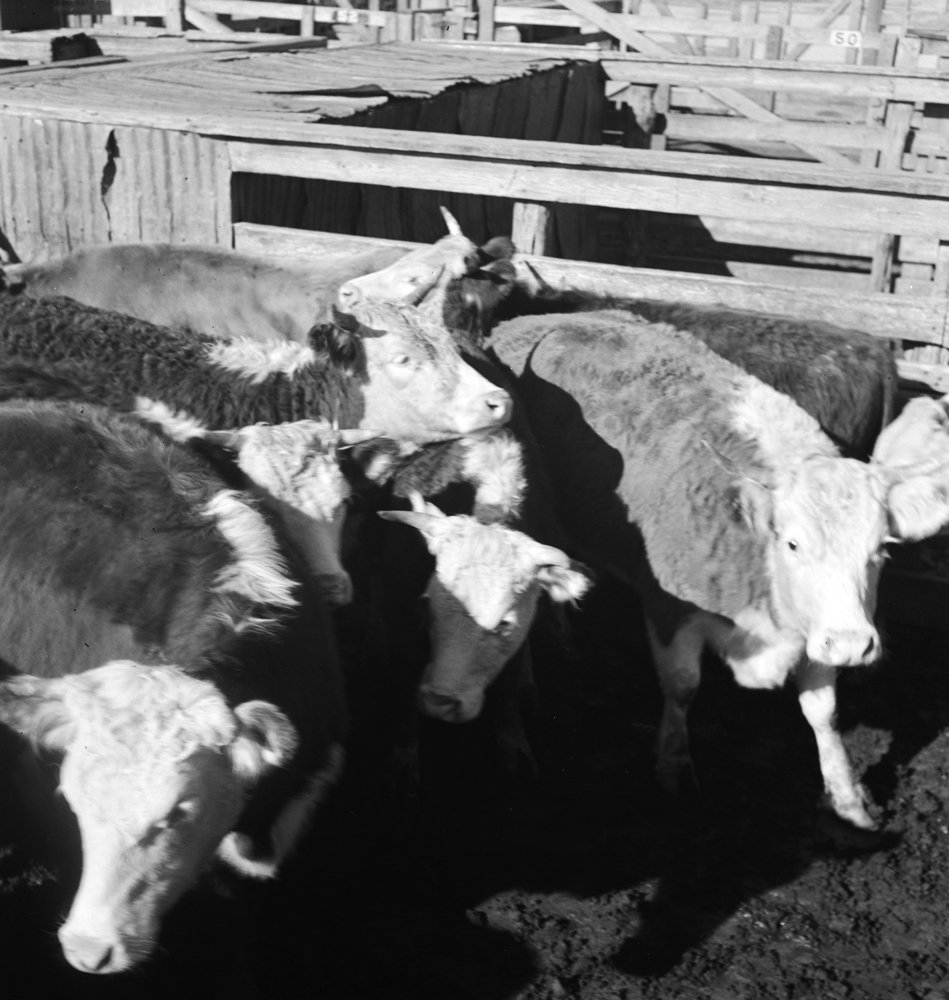
Principles of Humane Slaughter Humane slaughter practices aim to minimize pain, fear, and distress for animals during the final stages of food production, primarily through effective stunning methods intended to render an animal insensible to pain before the killing process begins. Stunning methods vary by species and facility type, including captive bolt devices for cattle,
Humane Slaughter Practices Read More »
The methods and regulatory standards designed to minimize pain, fear, and distress for animals during the slaughter process in food production.
The Three Rs Framework Laboratory animal welfare is organized globally around the Three Rs framework, first articulated in the late 1950s and now embedded in research ethics review worldwide. Replacement calls for substituting non-animal methods, including cell culture, computer modeling, and human tissue studies, whenever scientifically valid alternatives exist. Reduction calls for using the minimum
Laboratory Animal Welfare Read More »
The standards, oversight, and practices governing the humane care, housing, and use of animals in scientific research and testing.
Regulatory Variation Across Jurisdictions Livestock housing and welfare standards vary considerably between countries and even between regions within the same country, reflecting different cultural attitudes toward animal welfare, varying agricultural economic structures, and differing regulatory traditions, with some jurisdictions imposing detailed legally mandated space and housing requirements while others rely more heavily on voluntary industry
Livestock Housing and Welfare Standards Read More »
Livestock housing and welfare standards are the facility design requirements and animal care guidelines intended to ensure adequate space, comfort, and wellbeing for farm animals.
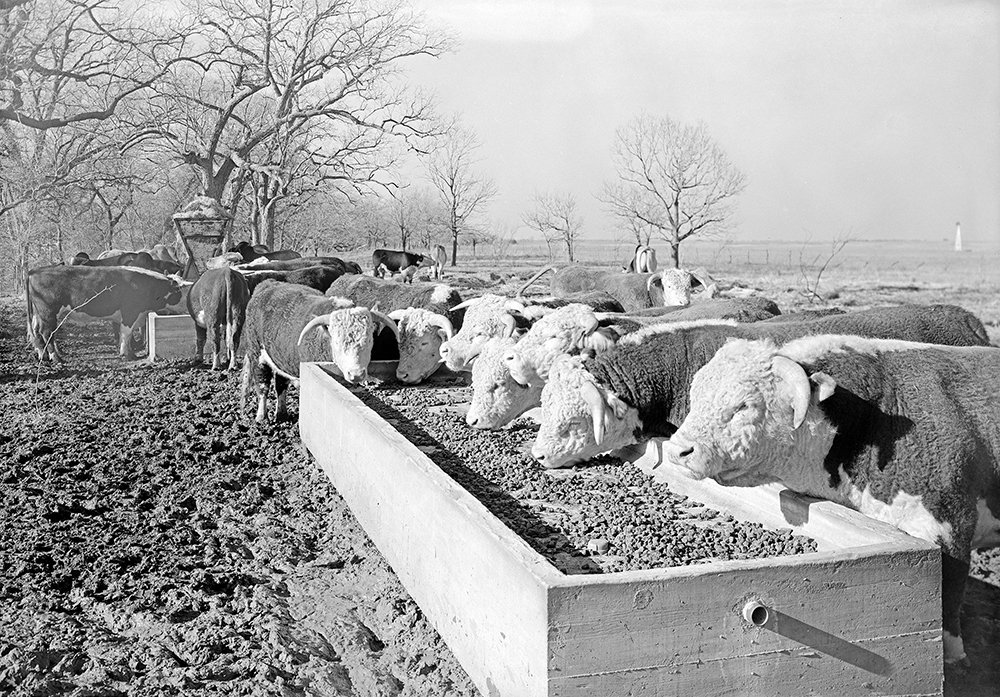
Core Components of Management Decisions Livestock management integrates several interdependent decision areas, including nutrition programs tailored to an animal’s age and production stage, health protocols covering vaccination and parasite control, housing and facility design appropriate to the species and climate, and breeding decisions that shape the genetic makeup of future generations. These components do not
Livestock Management Read More »
Livestock management is the practice of raising and caring for domesticated animals for agricultural production, covering nutrition, health, housing, and breeding decisions.
Foundations of Learning Theory Pet behavior and training draws its scientific foundation from operant and classical conditioning principles first described by behavioral psychologists. Operant conditioning explains how consequences shape future behavior: actions followed by favorable outcomes tend to repeat, while actions followed by unfavorable outcomes tend to diminish. Classical conditioning explains how animals form associations
Pet Behavior and Training Read More »
The study and modification of companion animal behavior through learning-based methods to build desirable habits and resolve problem behaviors.
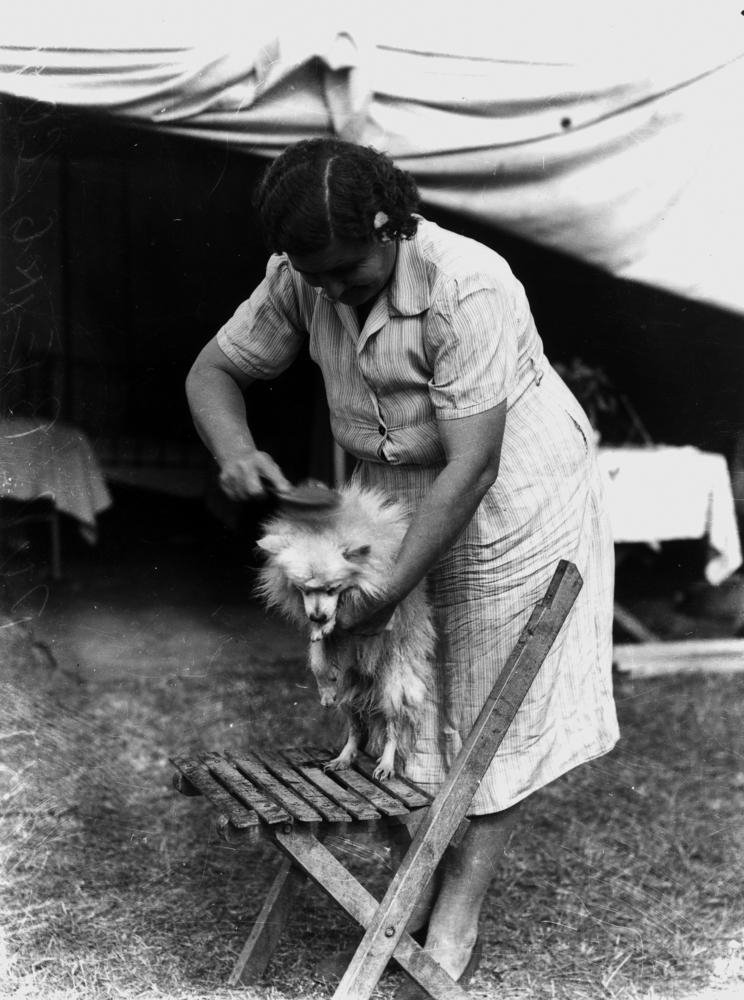
Coat Types and Grooming Needs Grooming requirements vary considerably across coat types. Short, smooth coats generally need minimal maintenance beyond periodic brushing and bathing. Double coats, found in breeds adapted to variable climates, consist of a dense insulating undercoat beneath a longer protective outer coat and require regular deshedding brushing, particularly during seasonal shedding periods,
Pet Grooming Read More »
The professional and home-based practice of maintaining companion animal coat, skin, nail, and hygiene health through bathing, clipping, and related care.
Species-Specific Nutritional Needs Dogs and cats have fundamentally different nutritional requirements rooted in their evolutionary diets. Dogs are biologically classified as omnivores, capable of deriving nutrition from a mix of animal and plant sources and synthesizing certain nutrients internally. Cats, by contrast, are obligate carnivores that require specific nutrients, including taurine, arachidonic acid, and preformed
Pet Nutrition and Feeding Read More »
The science of formulating and managing diets for companion animals to meet species-specific nutritional requirements across life stages.
Divergent Paths for Meat and Egg Production Modern poultry farming has developed along two largely separate tracks: broiler production, raising chickens specifically selected and managed for rapid growth and meat yield typically harvested within weeks of hatching, and layer production, managing hens bred and fed specifically to sustain egg production over an extended laying period
Poultry Farming Read More »
Poultry farming is the raising of domesticated birds, primarily chickens, turkeys, and ducks, for meat and egg production on both commercial and small-scale operations.