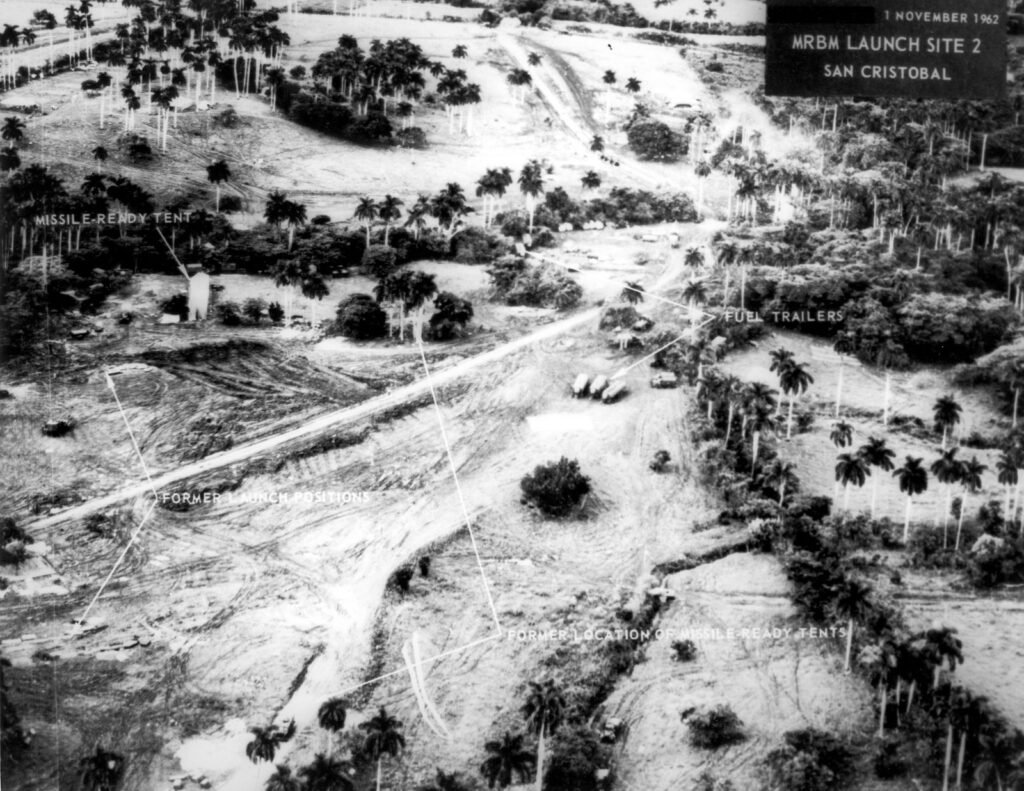
The Cuban Missile Crisis was a confrontation between the United States and the Soviet Union in October 1962 over Soviet nuclear missiles that were being secretly installed in Cuba. It began when a U.S. U-2 reconnaissance aircraft photographed missile sites on 14 October 1962, and it ended on 28 October, when Soviet leader Nikita Khrushchev
Cuban Missile Crisis Read More »
The Cuban Missile Crisis was the October 1962 standoff between the United States and the Soviet Union over Soviet nuclear missiles in Cuba.
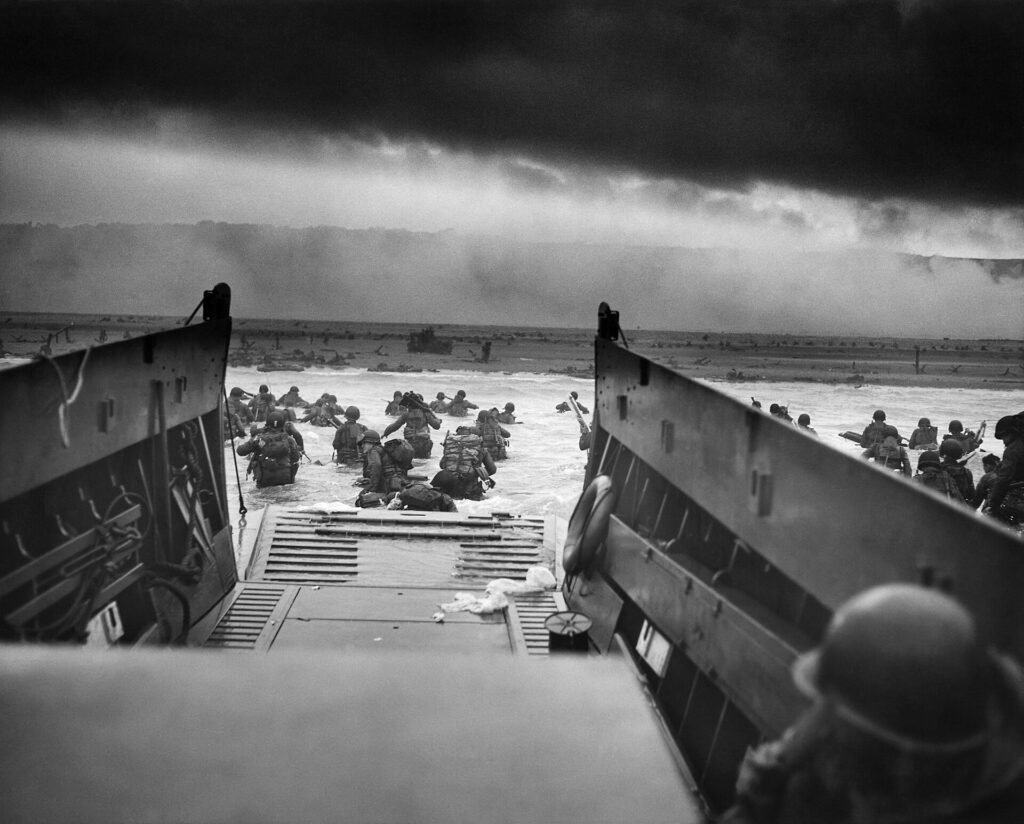
D-Day was the Allied invasion of German-occupied Normandy on 6 June 1944, the opening day of Operation Overlord. It was the largest amphibious invasion in military history, with troops landing from the sea on five beaches while paratroopers and glider troops arrived inland. The landings opened a second major front in Western Europe during World
D-Day Read More »
The Allied invasion of German-occupied Normandy on 6 June 1944, the largest amphibious assault in history and the first day of Operation Overlord.
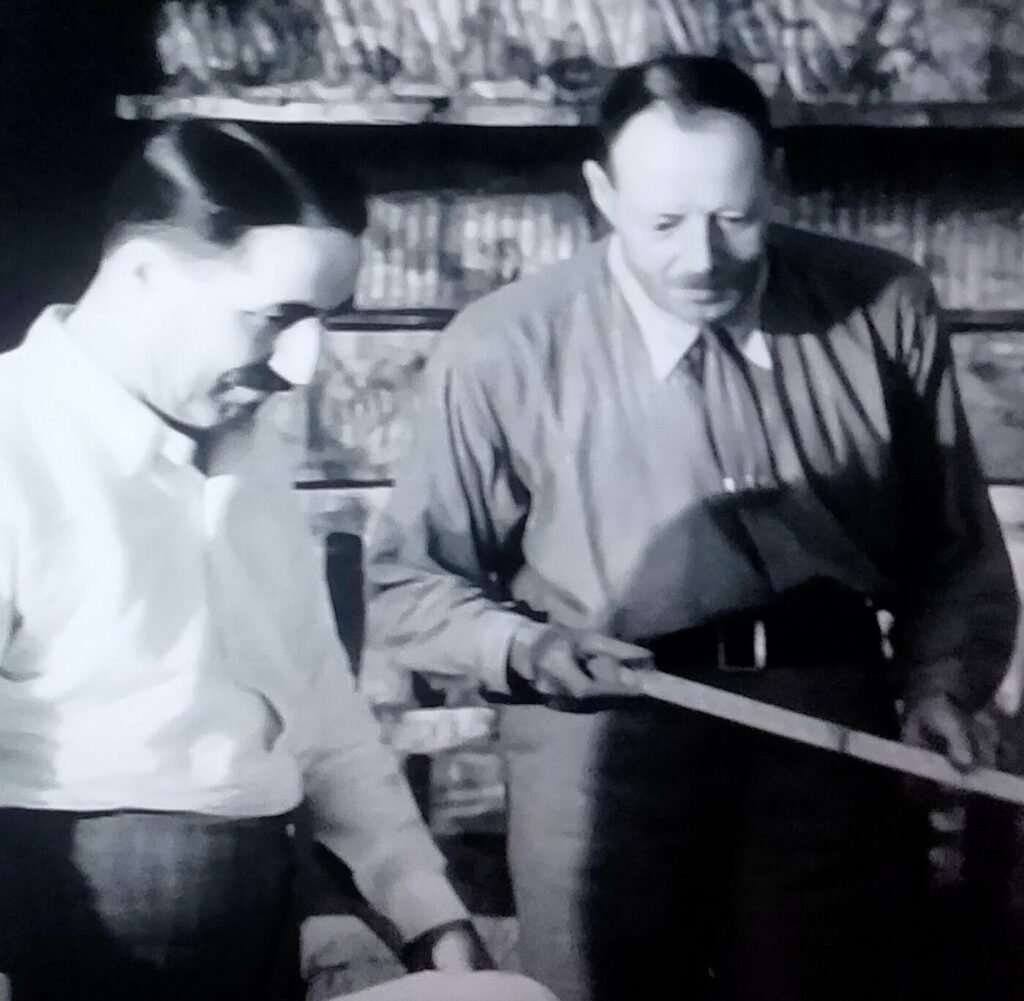
The discovery of Tutankhamun’s tomb was the finding of the nearly intact burial of the pharaoh Tutankhamun in the Valley of the Kings, near Luxor in Egypt, by the British archaeologist Howard Carter. Workers uncovered the first step of the tomb’s staircase on November 4, 1922. The tomb, known to Egyptologists as KV62, held more
Discovery of Tutankhamun’s tomb Read More »
The 1922 finding by Howard Carter of the nearly intact tomb of the pharaoh Tutankhamun in Egypt's Valley of the Kings.
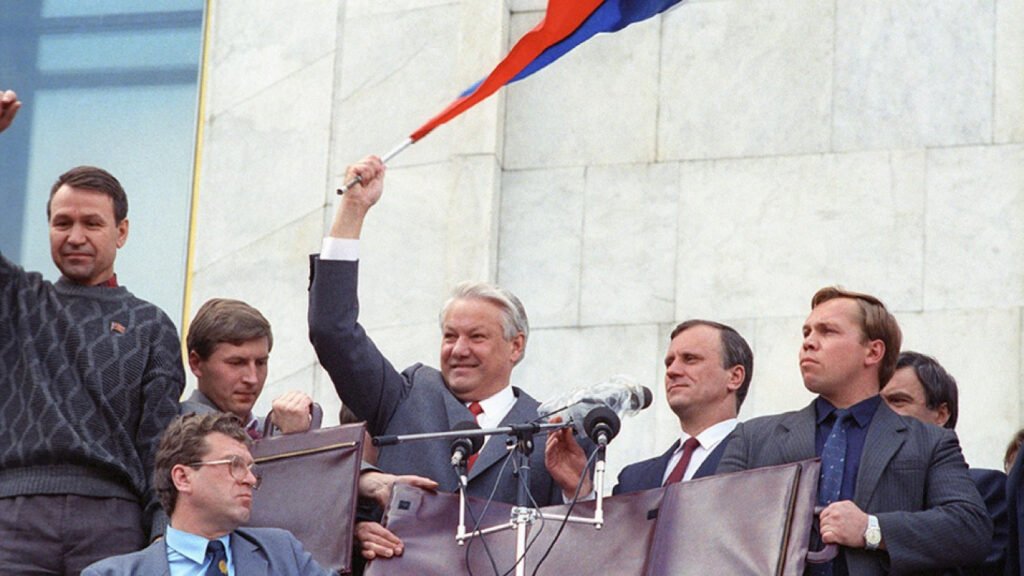
The dissolution of the Soviet Union was the breakup of the Union of Soviet Socialist Republics into independent countries in 1991. It was marked by Mikhail Gorbachev’s resignation as Soviet president on 25 December 1991, when the Soviet flag was lowered over the Kremlin for the last time. Fifteen national republics became separate states, and
Dissolution of the Soviet Union Read More »
The 1991 breakup of the USSR into fifteen independent states, ending with Gorbachev's resignation on 25 December 1991.
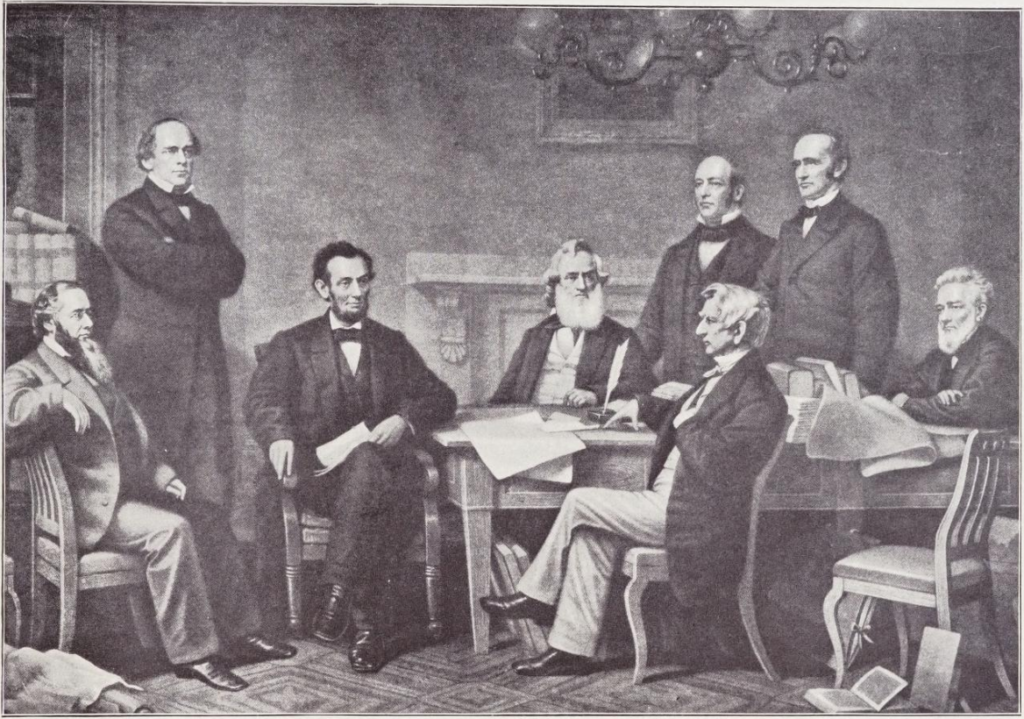
The Emancipation Proclamation was an executive order issued by President Abraham Lincoln on 1 January 1863, declaring that enslaved people in areas of the United States in rebellion against the federal government were free. It was a wartime measure with real limits, and it did not end slavery across the nation. Even so, it changed
Emancipation Proclamation Read More »
The 1 January 1863 order by Abraham Lincoln declaring enslaved people in Confederate-held areas free, a war measure that did not end slavery nationwide.
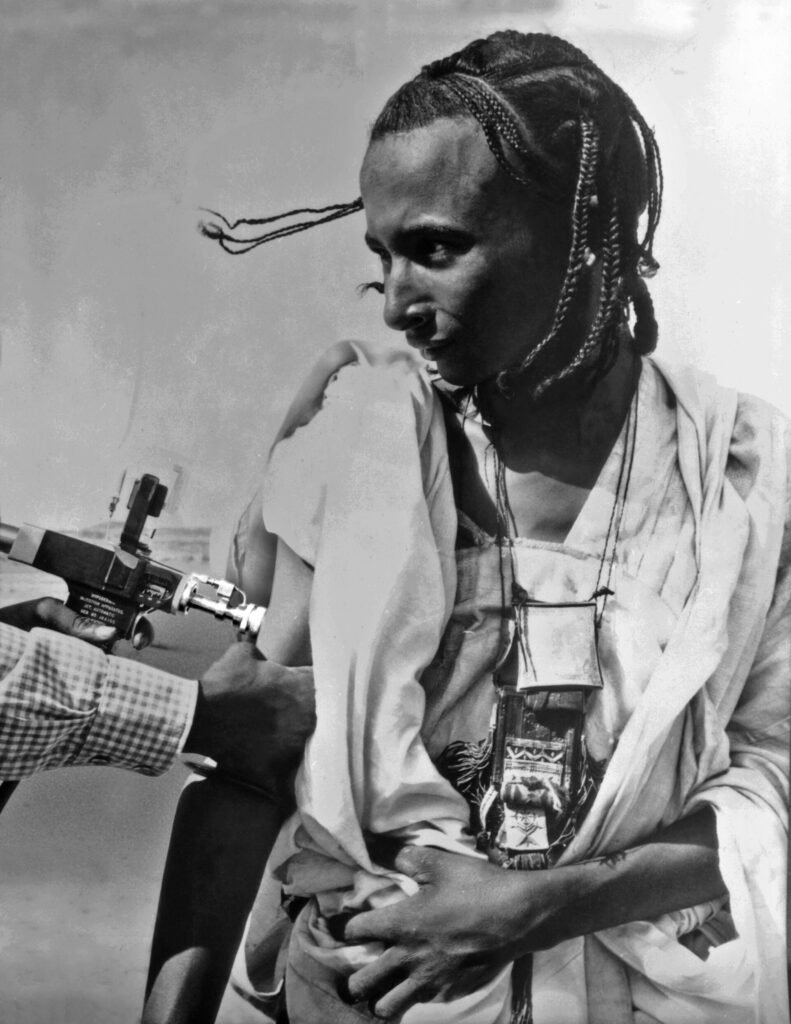
The eradication of smallpox was the worldwide public health campaign that ended natural transmission of the variola virus, which caused smallpox. The last known natural case occurred in Somalia in 1977, and the World Health Assembly declared the world free of the disease on May 8, 1980. According to the World Health Organization (WHO), it
Eradication of smallpox Read More »
The global campaign, led by the World Health Organization, that ended natural smallpox transmission, declared complete in 1980.
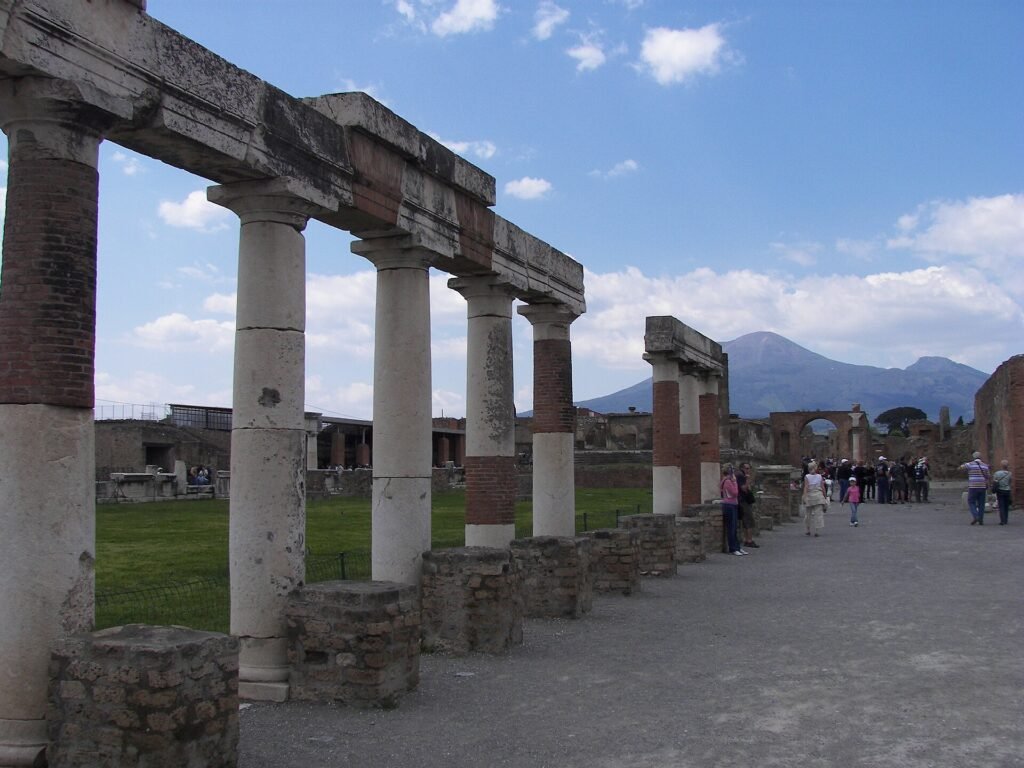
The eruption of Mount Vesuvius in 79 AD was a major explosive volcanic event in southern Italy that buried the Roman towns of Pompeii and Herculaneum in ash and volcanic debris. UNESCO dates it to 24 August AD 79. The disaster is unusually well known because a Roman eyewitness, Pliny the Younger, described it in
Eruption of Mount Vesuvius in 79 AD Read More »
Explosive volcanic eruption in southern Italy, dated to 24 August AD 79, that buried the Roman towns of Pompeii and Herculaneum.
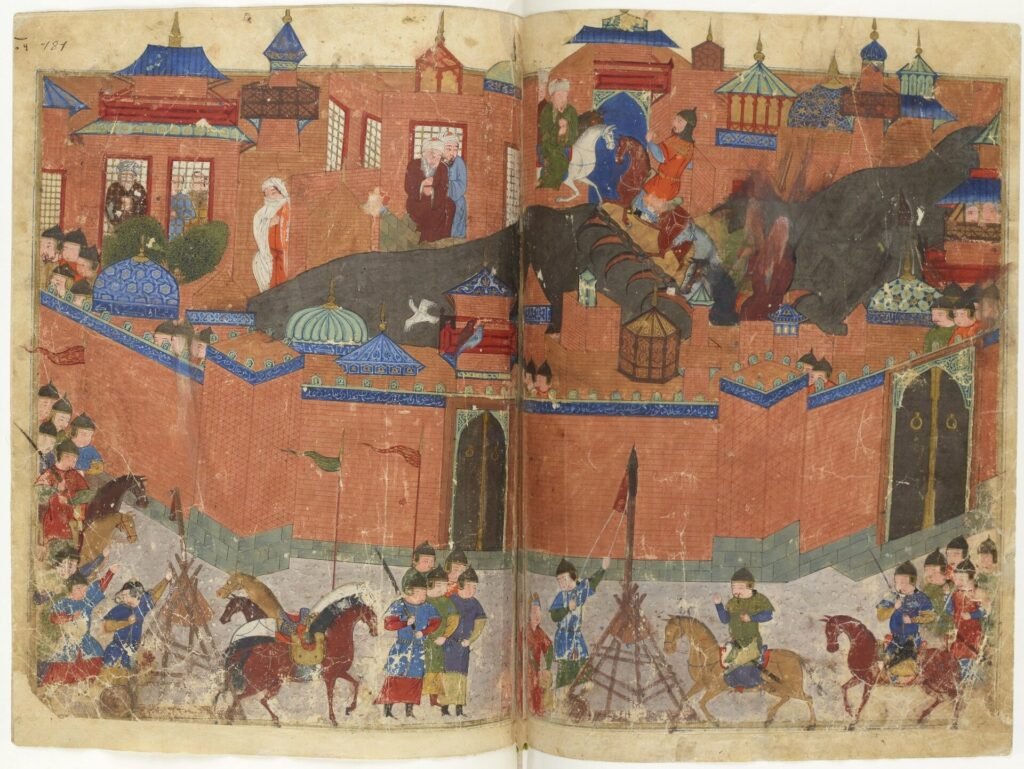
The fall of Baghdad in 1258 was the capture and sack of the Abbasid capital by a Mongol army under Hulagu Khan in early 1258. The conquest ended the Abbasid caliphate in Baghdad, which had ruled much of the Islamic world from the eighth century, and it is regarded as one of the great turning
Fall of Baghdad 1258 Read More »
The Mongol capture of Baghdad in early 1258 under Hulagu Khan, which ended the Abbasid caliphate's rule from the city.
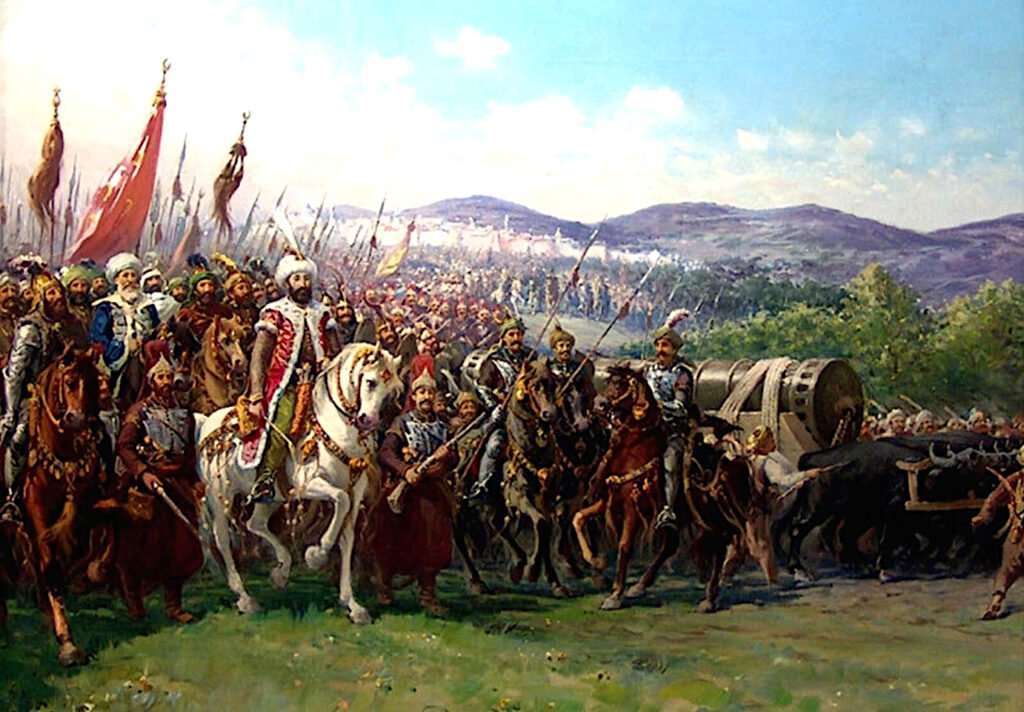
The Fall of Constantinople was the capture of the Byzantine capital by the Ottoman army of Sultan Mehmed II on 29 May 1453, after a siege that began on 6 April. The conquest ended the Byzantine Empire, the surviving eastern half of the Roman Empire, and turned the city into the capital of the Ottoman
Fall of Constantinople Read More »
The Fall of Constantinople was the Ottoman capture of the Byzantine capital on 29 May 1453, ending the Byzantine Empire.
The fall of the Berlin Wall was the opening of the border between East and West Berlin on the night of 9 November 1989, after almost 28 years of division. East Germany had announced looser travel rules that evening, and crowds at the checkpoints pushed guards to let people cross without the usual controls. [1]
Fall of the Berlin Wall Read More »
The fall of the Berlin Wall was the opening of the East-West Berlin border on 9 November 1989, ending nearly 28 years of division.