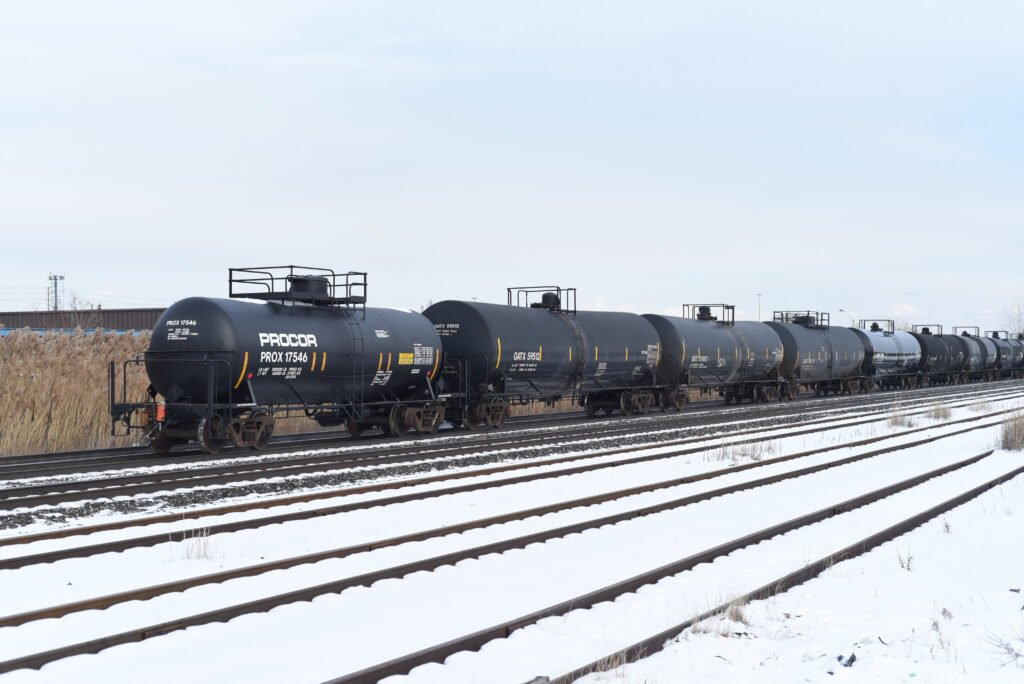
What Rail Freight Covers Rail freight is the movement of goods by train rather than truck, ship, or aircraft. It is particularly well suited to moving large volumes of bulk commodities such as coal, grain, and ore over long distances, where rail’s significant cost and fuel efficiency advantages over trucking outweigh its generally slower transit
Rail Freight Read More »
Rail freight is the transportation of goods by train, offering a cost-efficient option for moving large volumes of bulk commodities and containerized cargo over long distances.
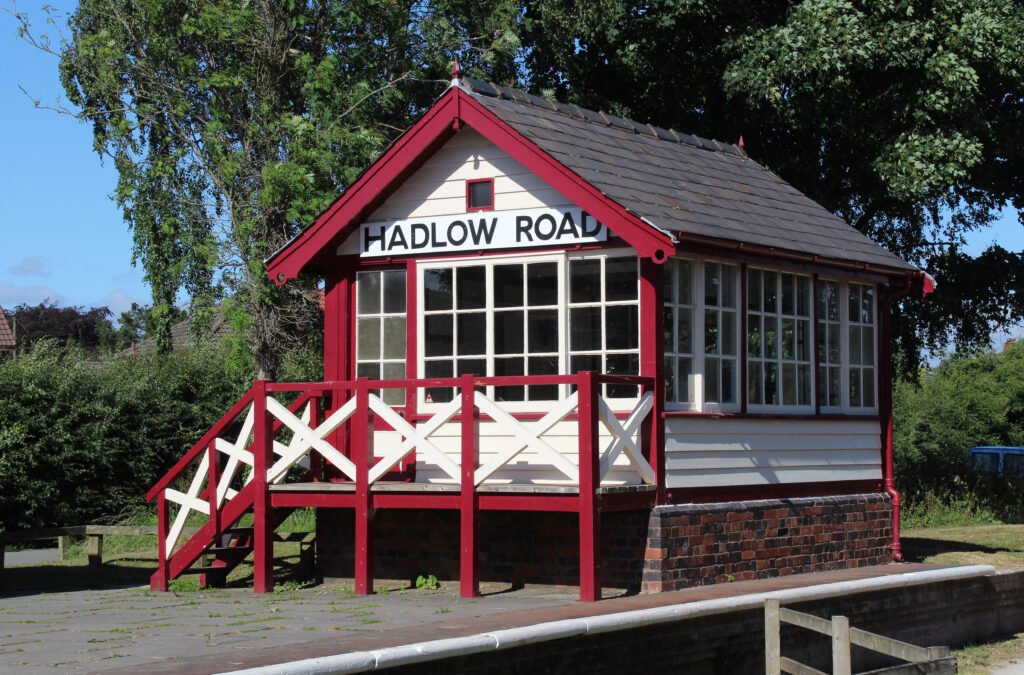
Purpose of Rail Signaling Rail signaling systems manage train movements to prevent collisions and ensure safe separation between trains operating on the same track. Because trains cannot stop quickly and often cannot see far enough ahead to avoid another train through visual observation alone, signaling systems provide the critical safety function of controlling how closely
Rail Signaling Read More »
Rail signaling is the system of signals, track circuits, and control technology used to safely manage train movements and prevent collisions on a railway network.
What Railway Transport Covers Railway transport moves passengers and freight using trains running on fixed steel rail tracks. The steel-wheel-on-steel-rail design creates significantly less rolling resistance than road vehicles, allowing trains to move very large loads efficiently, particularly over long distances where this efficiency advantage compounds over many miles of travel. Freight Versus Passenger Railways
Railway Transport Read More »
Railway transport is the movement of passengers and freight using trains running on fixed steel rail tracks, offering efficient movement of large volumes over long distances.
What Reverse Logistics Covers Reverse logistics manages the flow of goods moving backward through the supply chain, from the customer back toward the manufacturer or a disposal point. This includes product returns, warranty repairs, recalls, recycling, and end-of-life disposal. It is the mirror image of traditional forward logistics, which moves goods toward the customer. Why
Reverse Logistics Read More »
Reverse logistics is the process of moving goods from their final destination back through the supply chain for returns, repair, recycling, or disposal.
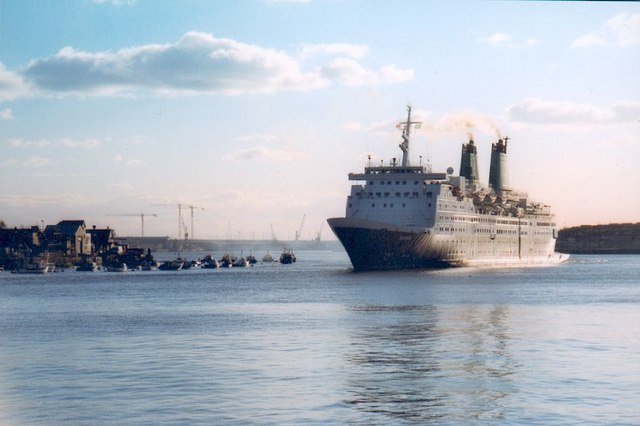
What Short Sea Shipping Covers Short sea shipping refers to the movement of cargo and passengers by sea over relatively short distances, typically along a single coastline or between nearby countries, rather than the long transoceanic voyages associated with major international container shipping. It serves as an alternative to road or rail transport for regions
Short Sea Shipping Read More »
Short sea shipping is the transport of cargo and passengers by sea over relatively short distances, typically along a coastline or between nearby countries, as an alternative to road or rail transport.
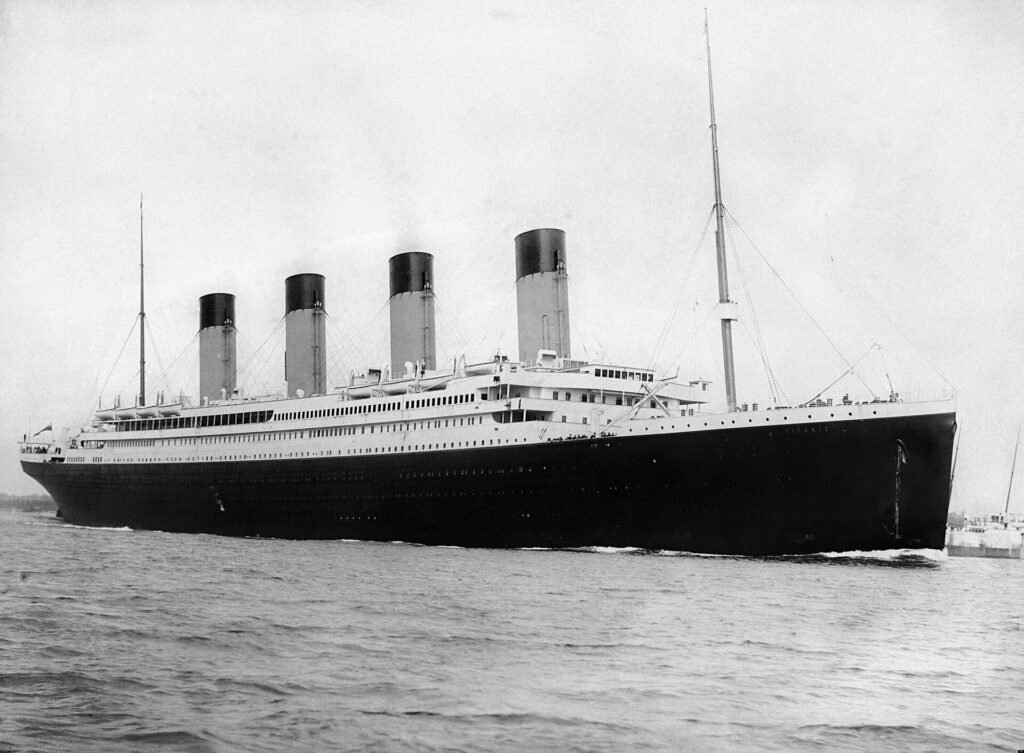
The sinking of the Titanic was a maritime disaster in the North Atlantic on 15 April 1912. The British passenger liner RMS Titanic struck an iceberg late on 14 April, on its maiden voyage from Southampton, England, to New York City, and sank in the early hours of the next morning. More than 1,500 people
Sinking of the Titanic Read More »
The loss of the British liner RMS Titanic in the North Atlantic on 15 April 1912 after hitting an iceberg, with more than 1,500 deaths.
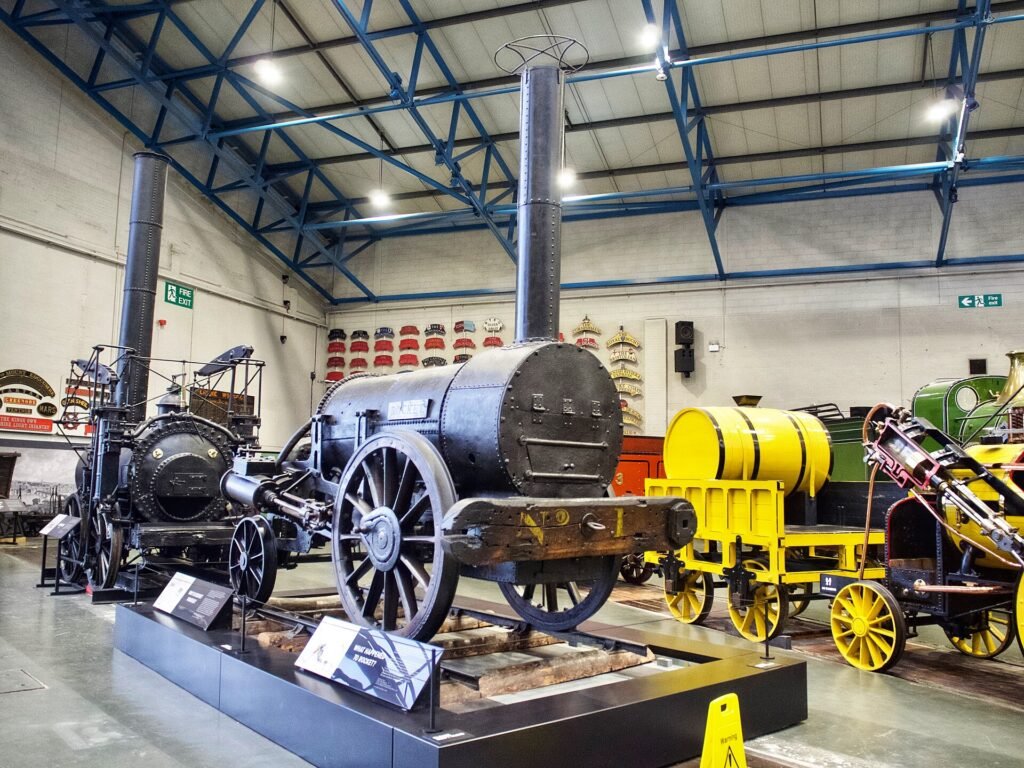
A steam locomotive is a railway engine that makes its own power by burning fuel to boil water and using the steam to move pistons that turn the wheels. Richard Trevithick’s Penydarren locomotive made the first recorded railway trip on February 21, 1804, and Robert Stephenson’s Rocket won the Rainhill trials of 1829. History of
Steam locomotive Read More »
A railway engine powered by steam from a coal-fired boiler, first run by Richard Trevithick in 1804 and perfected by Robert Stephenson's Rocket in 1829.
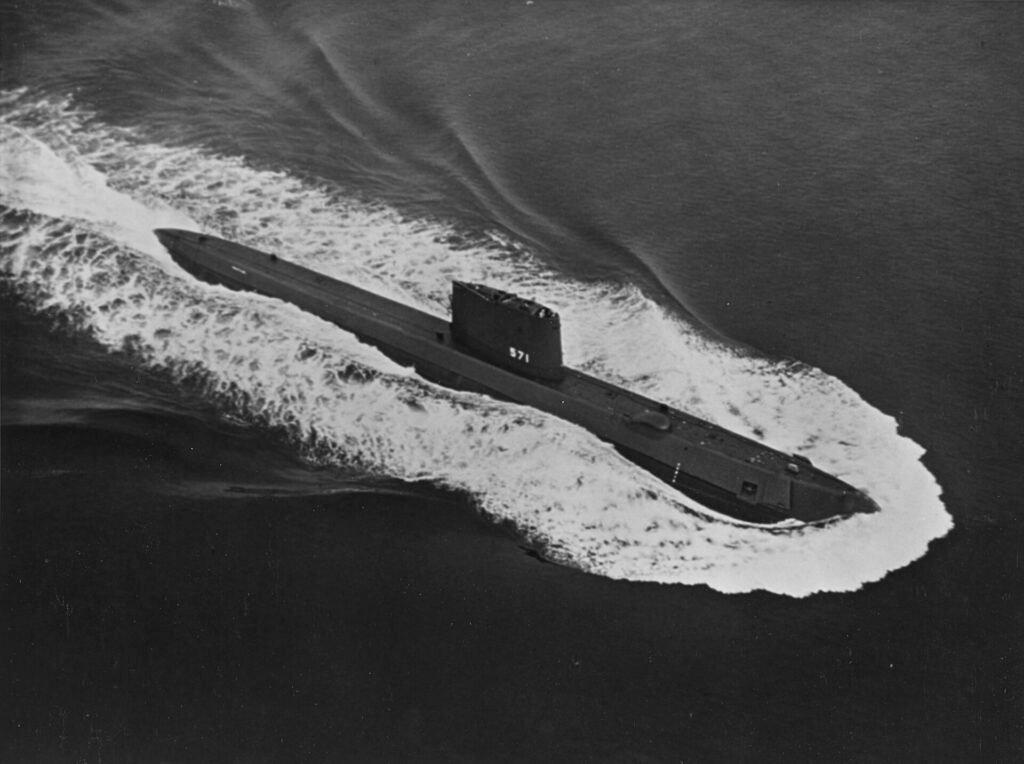
A submarine is a vessel that can travel beneath the surface of the water as well as on top of it, and the term is used most often for naval warships. The idea is old, but practical boats date from the 1600s to the 1900s, when electric motors, diesel engines and finally nuclear reactors gave
Submarine Read More »
A submarine is a vessel that can travel underwater as well as on the surface, developed from Drebbel's 1620s boat to modern nuclear designs.
What Supply Chain Resilience Means Supply chain resilience is the capacity of a supply chain to anticipate potential disruptions, absorb their impact, and recover operations quickly, with minimal damage to cost, quality, or delivery performance. A resilient supply chain is not necessarily the cheapest one, but it is one that keeps functioning when conditions change
Supply Chain Resilience Read More »
Supply chain resilience is the ability of a supply chain to anticipate, absorb, and recover quickly from disruptions while maintaining continuity of operations.
What a 3PL Provider Does A third-party logistics provider takes over one or more logistics functions on behalf of a client company. Typical services include warehousing, inventory management, order fulfillment, transportation, and sometimes freight forwarding or customs brokerage. Clients pay for these services instead of building and operating their own logistics infrastructure. Why Companies Use
Third-Party Logistics Read More »
Third-party logistics, often abbreviated 3PL, is the outsourcing of logistics and supply chain functions such as warehousing, transportation, and fulfillment to an external provider.