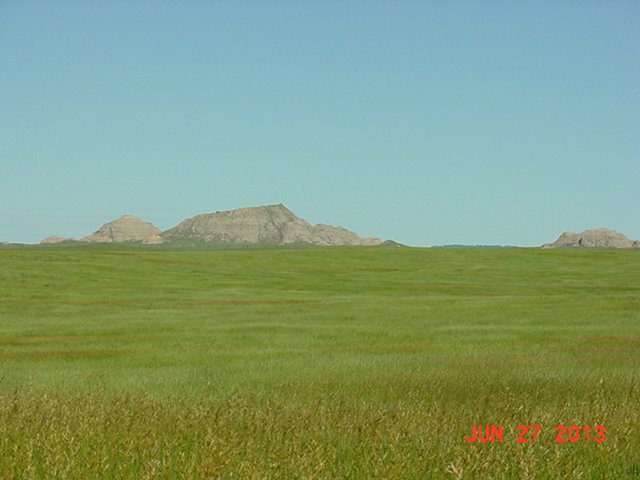
Classification of Protected Areas Protected areas span a wide spectrum of management approaches, formally categorized by the IUCN from strict nature reserves, which prioritize minimal human disturbance, through national parks and habitat management areas, to multiple-use protected landscapes that permit regulated sustainable activity alongside conservation goals. This classification system helps standardize international reporting and comparison,
Protected Area Management Read More »
The planning, governance, and on-the-ground administration of national parks, reserves, and other legally designated areas set aside for conservation purposes.
Carrying Capacity and Sustainable Stocking A foundational concept in range and pasture management is carrying capacity, the number of animals a given area of land can sustainably support over time without degrading forage quality or long-term land productivity, which varies considerably based on climate, soil type, vegetation composition, and rainfall patterns specific to each location.
Range and Pasture Management Read More »
Range and pasture management is the practice of managing grazing land to sustainably support livestock production while maintaining forage quality and ecological health.
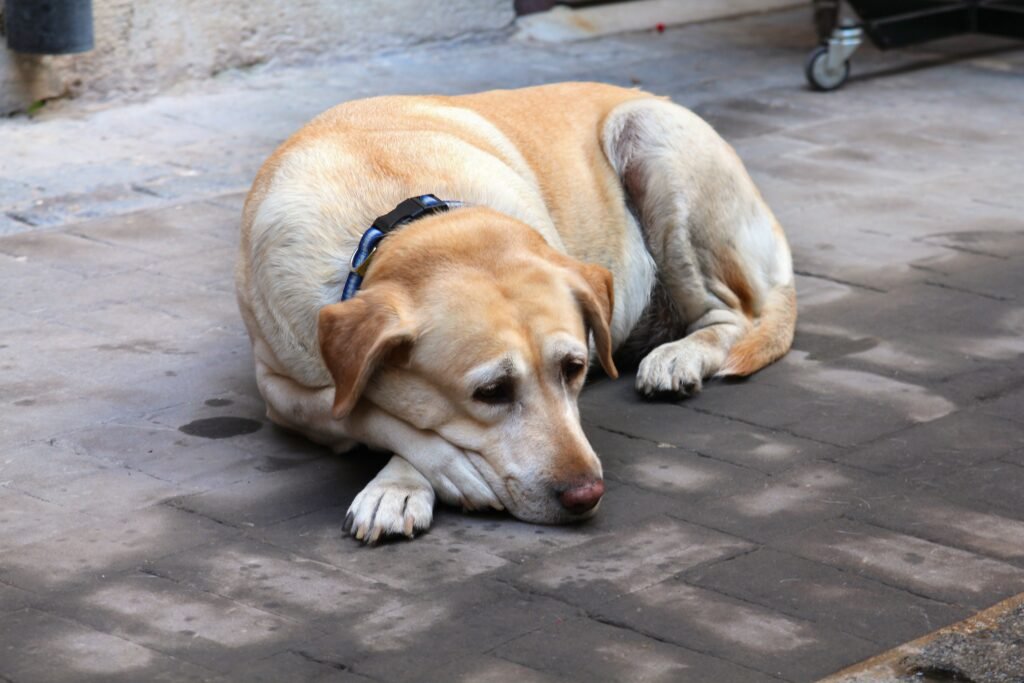
Defining the Senior Life Stage The transition into the senior life stage varies considerably by species, breed, and size, with larger dog breeds generally reaching senior status earlier than smaller breeds due to differing aging trajectories and lifespans. Cats are typically considered senior starting around ten to eleven years of age, though individual variation is
Senior Pet Care Read More »
The adapted veterinary and husbandry practices used to support the health, comfort, and quality of life of aging companion animals.
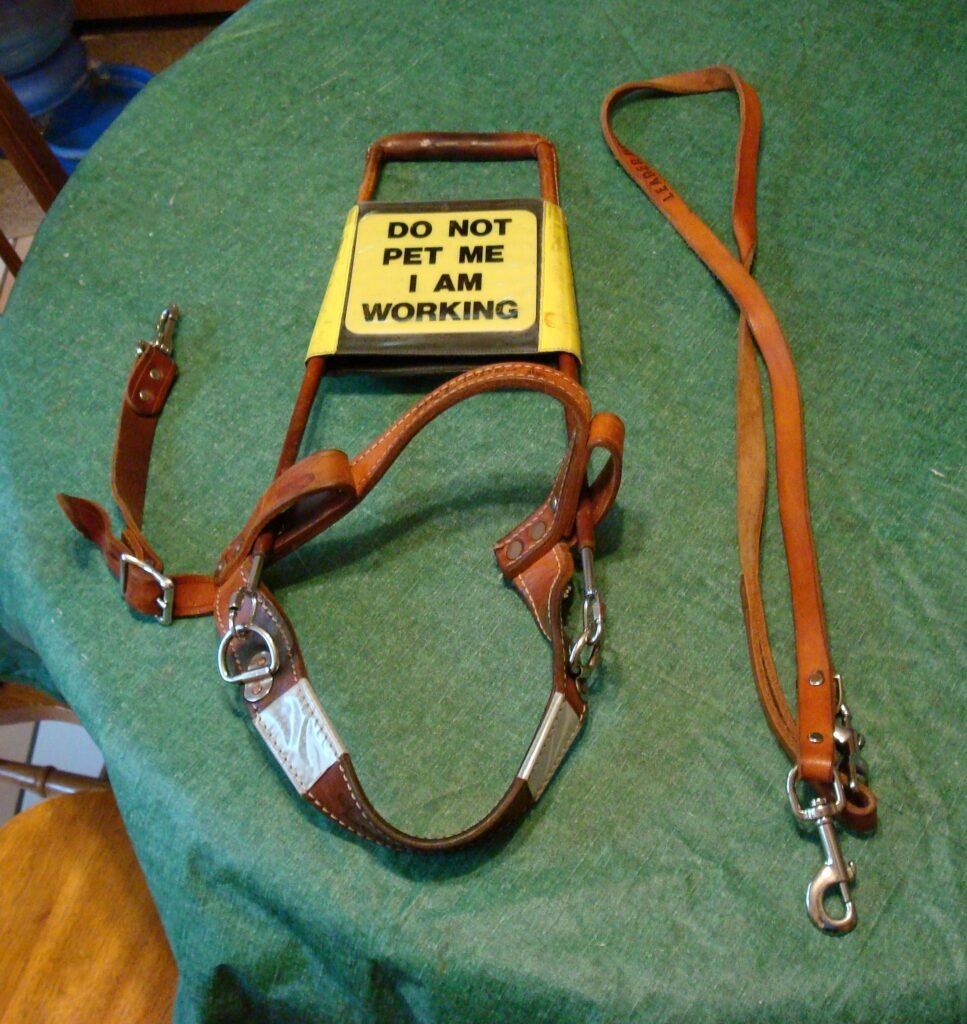
Legal Definition and Scope In the United States, the Americans with Disabilities Act defines a service animal narrowly as a dog that has been individually trained to perform a specific task directly related to a person’s disability. This legal definition grants service dogs broad public access rights, allowing handlers to bring them into most public
Service and Assistance Animals Read More »
Animals individually trained to perform specific tasks that mitigate a handler's disability, distinguished legally and functionally from emotional support and therapy animals.
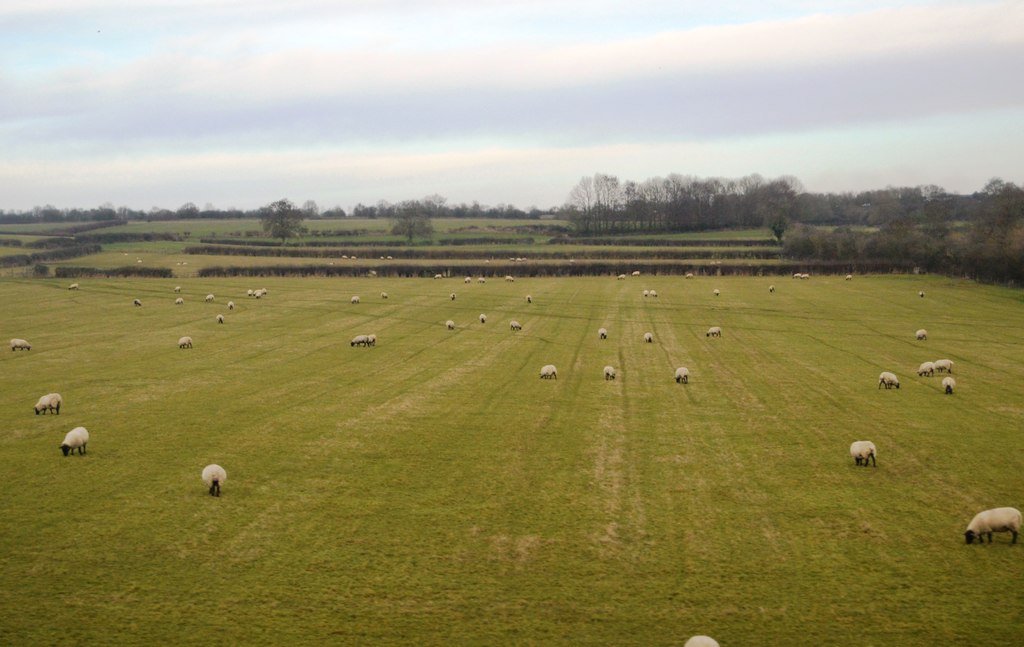
Utilizing Marginal Land Sheep and goat farming has long been valued for its ability to productively use marginal land, including steep hillsides, brushy terrain, and arid rangeland, that would be unsuitable or uneconomical for cattle grazing or crop production, since these smaller, more agile ruminants can navigate difficult terrain and extract nutrition from sparser or
Sheep and Goat Farming Read More »
Sheep and goat farming is the raising of small ruminants for meat, milk, fiber, or a combination of these products, often on land less suited to cattle or crop production.
From Routine to Specialized Procedures The large majority of small animal surgeries performed in general veterinary practice are routine procedures such as spay and neuter operations, mass removals, and dental extractions, which most general practitioner veterinarians are trained to perform safely without requiring referral to a specialist. More complex procedures, including advanced orthopedic repairs, oncologic
Small Animal Surgery Read More »
Small animal surgery is the surgical treatment of companion animals, primarily dogs and cats, covering procedures from routine spay and neuter to complex orthopedic and soft tissue operations.
Origins and Definition of Speciesism The term speciesism, popularized by philosopher Peter Singer in his influential 1975 work, describes the assumption that human interests automatically and categorically outweigh the interests of other sentient species, by analogy to other forms of discrimination based on group membership rather than individually relevant characteristics. The concept challenges the default
Speciesism and Moral Status of Animals Read More »
The philosophical examination of whether species membership alone justifies differential moral consideration between humans and other sentient beings.
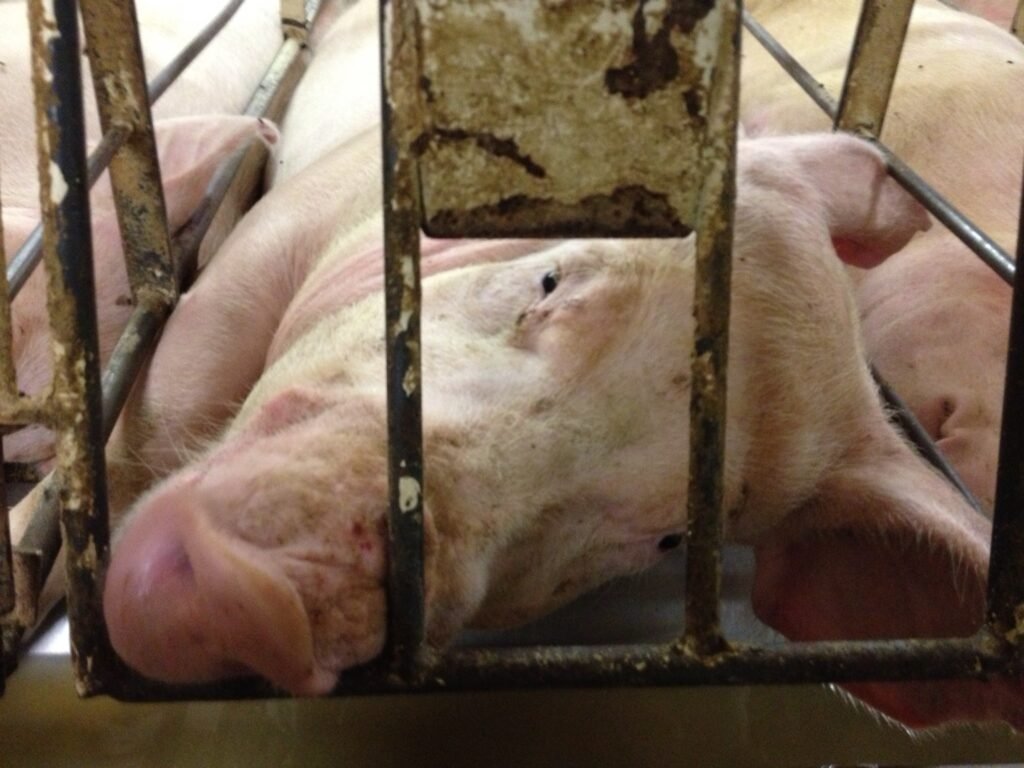
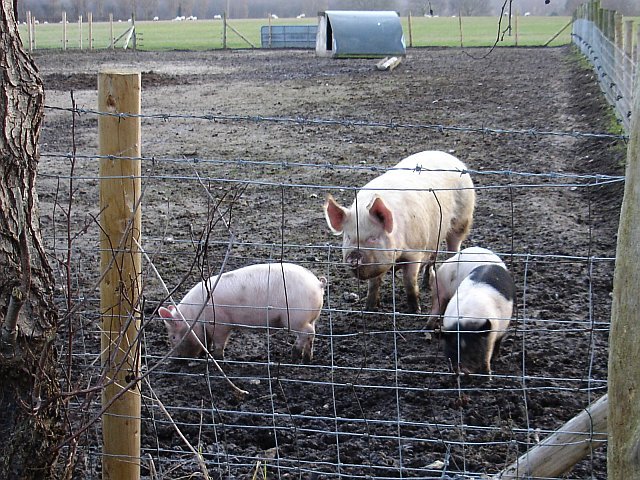
Production Phases and Farm Specialization Swine production moves through distinct phases, including breeding and gestation, farrowing when sows give birth, a nursery phase for young weaned pigs, and a growing-finishing phase during which pigs reach market weight, with some operations managing all phases on a single farm under a farrow-to-finish model while others specialize in
Swine Production Read More »
Swine production is the raising of pigs for pork, encompassing breeding, farrowing, nursery, and growing-finishing phases across both large commercial operations and smaller farms.
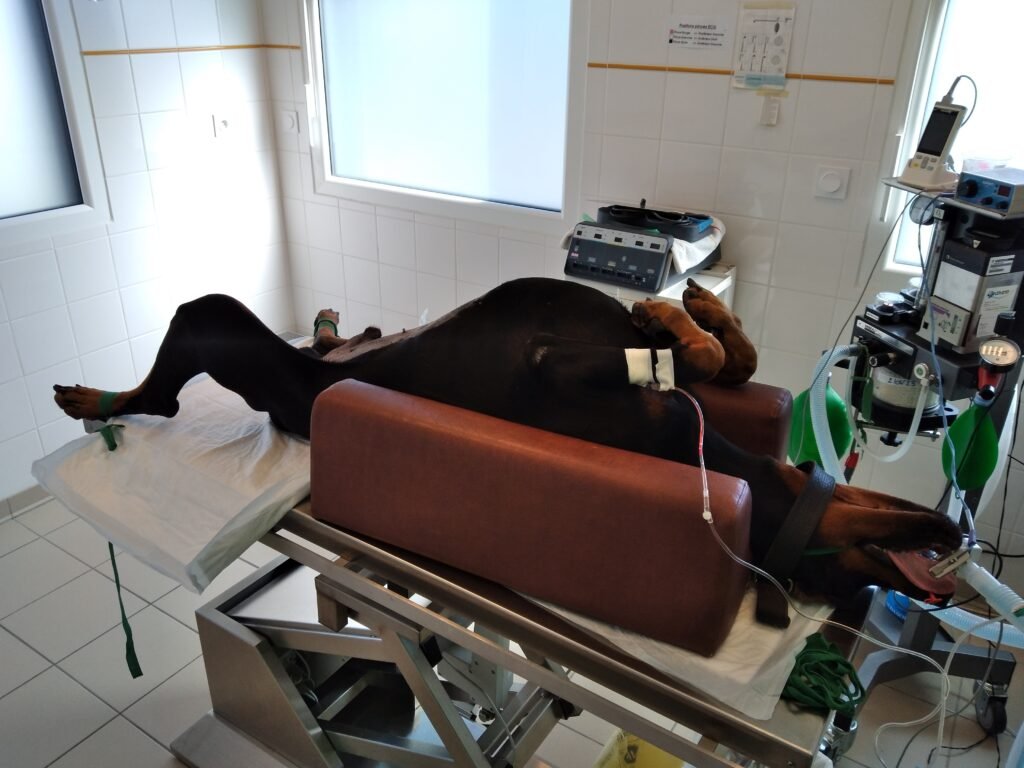
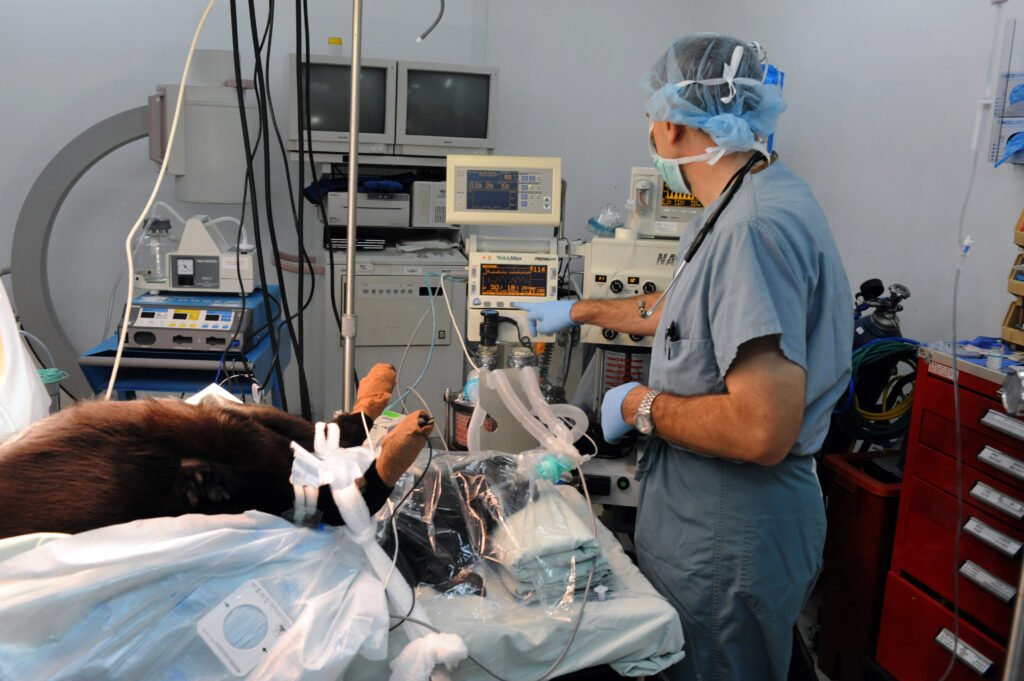
Tailoring Protocols to Patient Risk Veterinary anesthesia requires careful protocol selection tailored to each patient’s species, age, breed, and underlying health status, since a drug combination well-tolerated by a healthy young dog might pose significant risk to an elderly cat with kidney disease or a brachycephalic breed with airway challenges. Pre-anesthetic evaluation, typically including a
Veterinary Anesthesia Read More »
Veterinary anesthesia is the practice of safely inducing and maintaining unconsciousness or sedation in animal patients for surgery and other procedures.
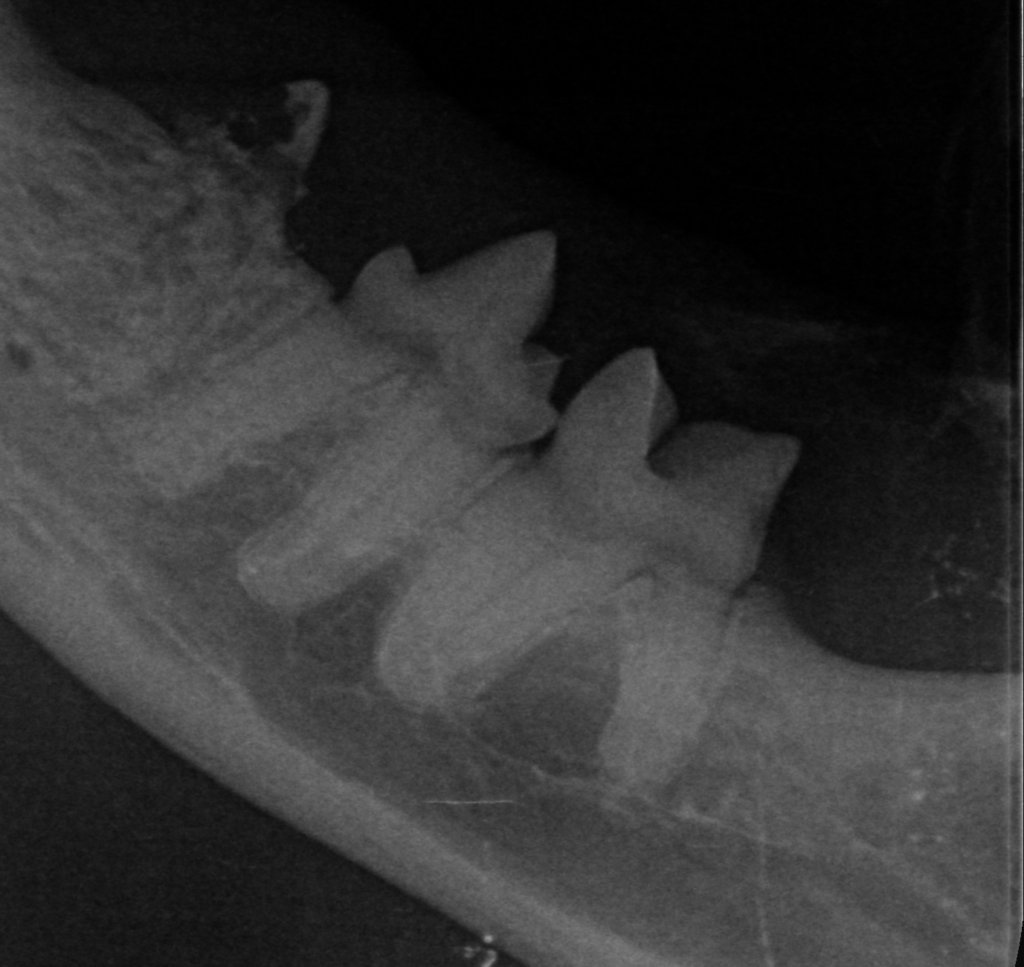
The Prevalence of Periodontal Disease Periodontal disease, inflammation and infection of the tissues supporting the teeth, affects a very large proportion of adult dogs and cats to some degree, making it among the most common conditions veterinarians encounter in companion animal practice, yet one that often goes unnoticed by owners since animals rarely show obvious
Veterinary Dentistry Read More »
Veterinary dentistry is the diagnosis, prevention, and treatment of oral and dental disease in animals, spanning routine cleanings to complex extractions and oral surgery.